

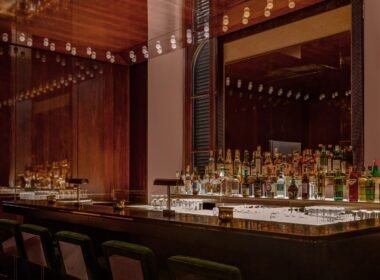
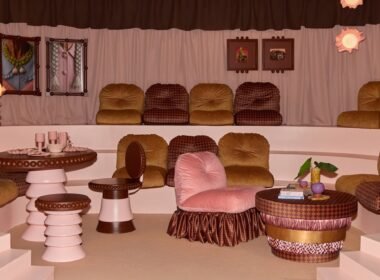

Just off Via Veneto, a former financial institution has become one of Rome’s most intriguing new hotels. For Experimental Roma, French designer Rodolphe Parente draws on Italian architecture, art and the glamour of the 1970s to create an interior that is anything but predictable.
A bank is supposed to inspire confidence, not temptation. At Experimental Roma, on a street associated with one of the most glamorous chapters of Italian cinema, the original building has acquired an altogether different personality.
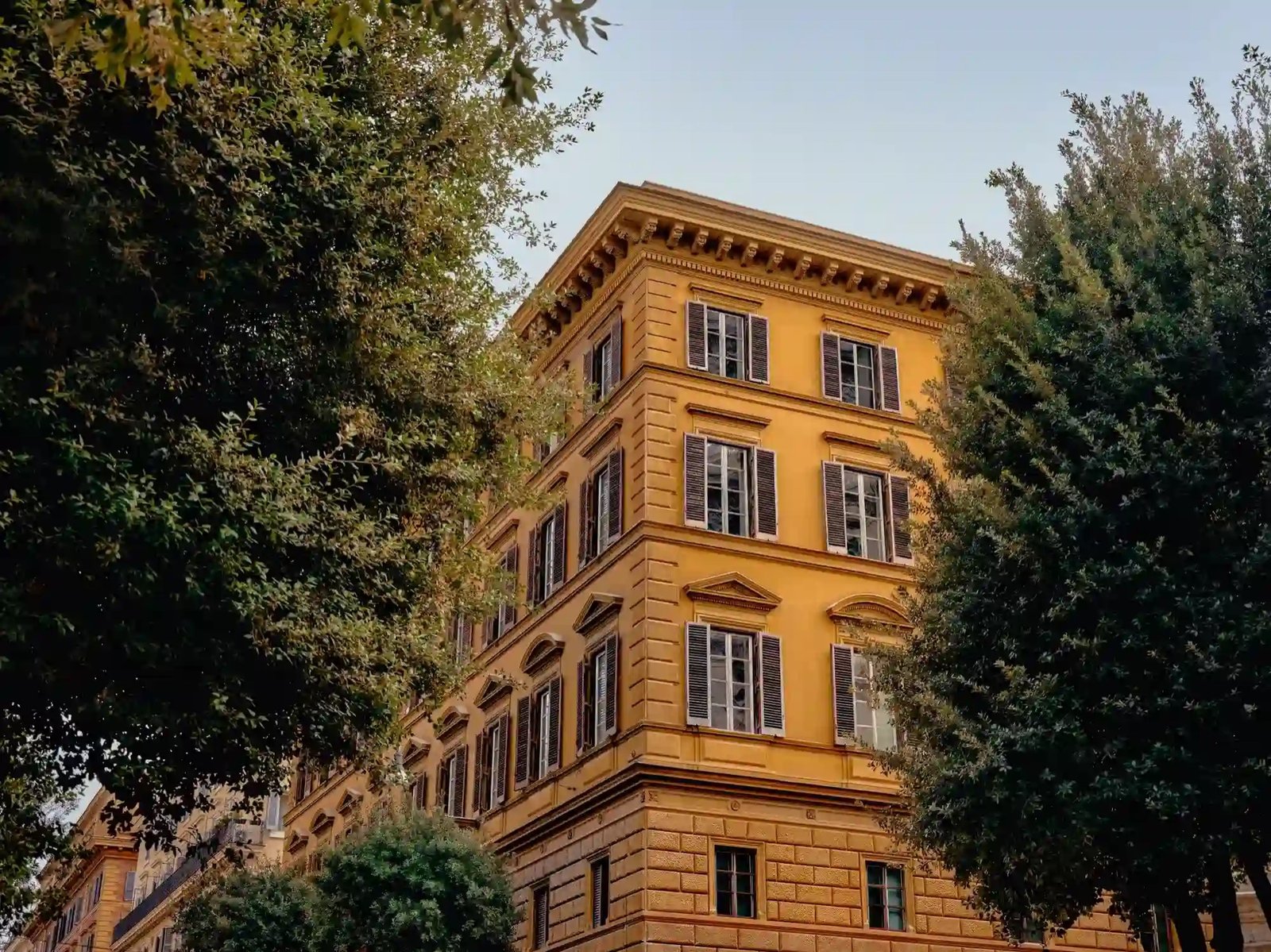
Opened in October 2026, the 82-room hotel occupies a former bank at 46 Via Ludovisi, moments from Via Veneto. Its transformation has been entrusted to Rodolphe Parente, whose approach is less concerned with recreating a particular period than with capturing the contradictions that make Rome so fascinating.
There are grand gestures, certainly. But there are also unexpected materials, reflective surfaces and rooms that occasionally feel closer to a contemporary collector’s apartment than a conventional luxury hotel.
The result is a particularly interesting addition to the portfolio of Experimental, the French hospitality group known for its design-conscious hotels, restaurants and cocktail bars.
A Roman Interior, Seen Differently
Rome presents a peculiar challenge for contemporary hospitality design. With such an extraordinary architectural inheritance, it is easy to fall back on familiar references: classical columns, marble, velvet and the inevitable suggestion of La Dolce Vita.
Parente takes a more adventurous route.
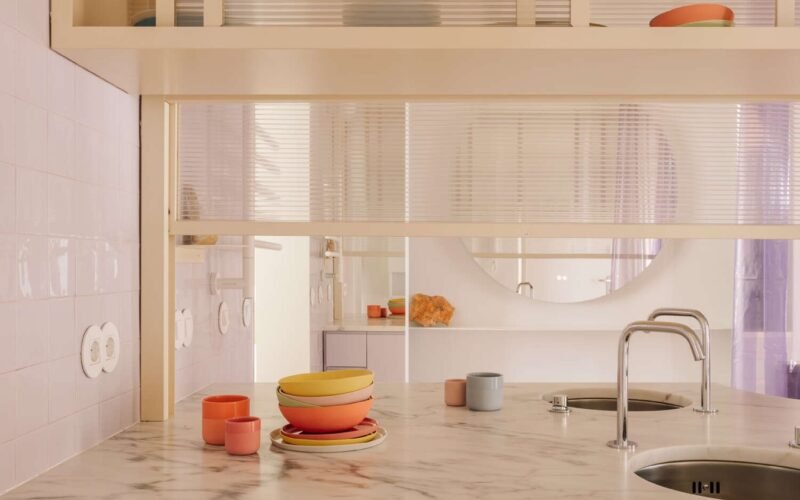
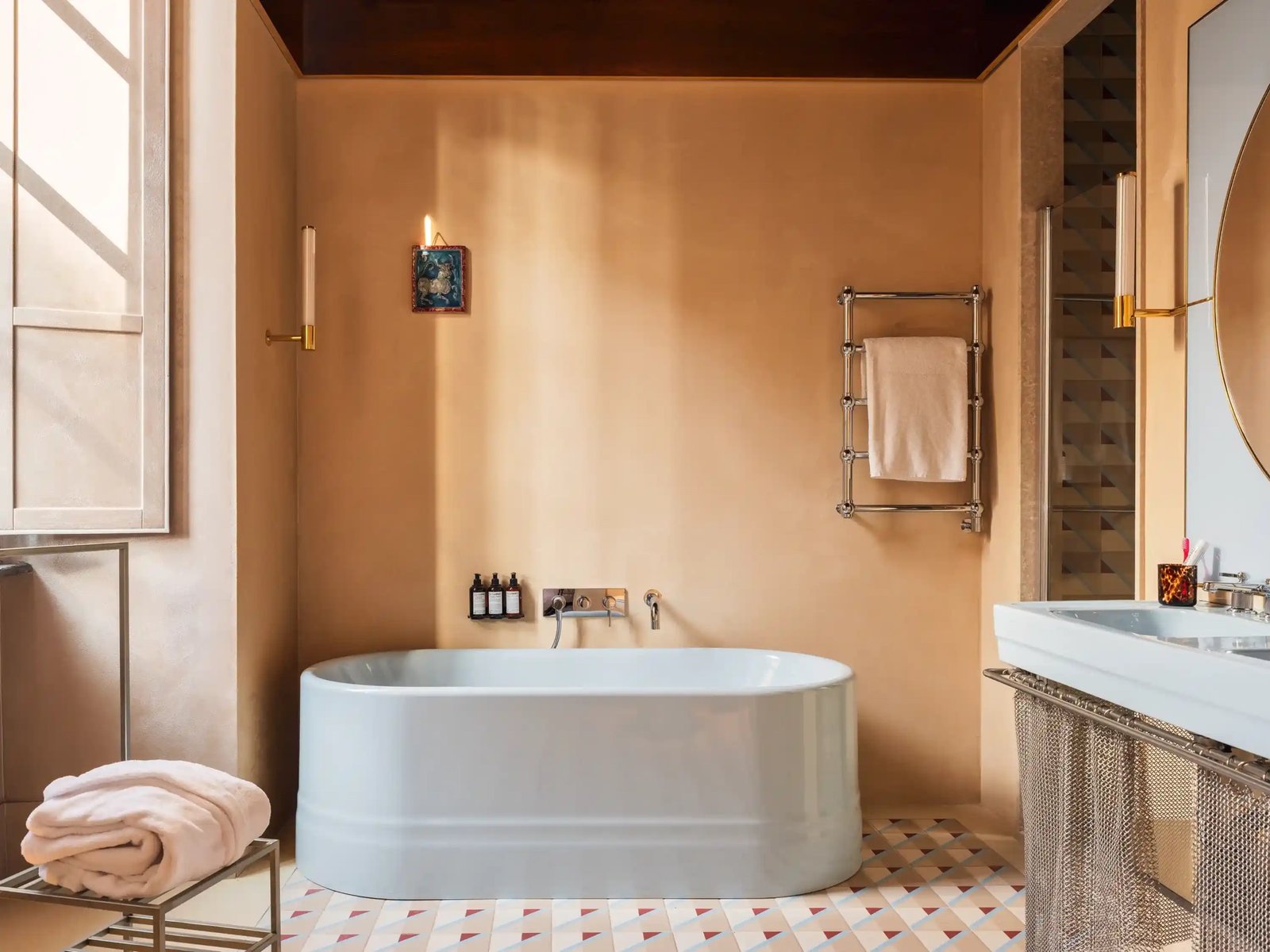
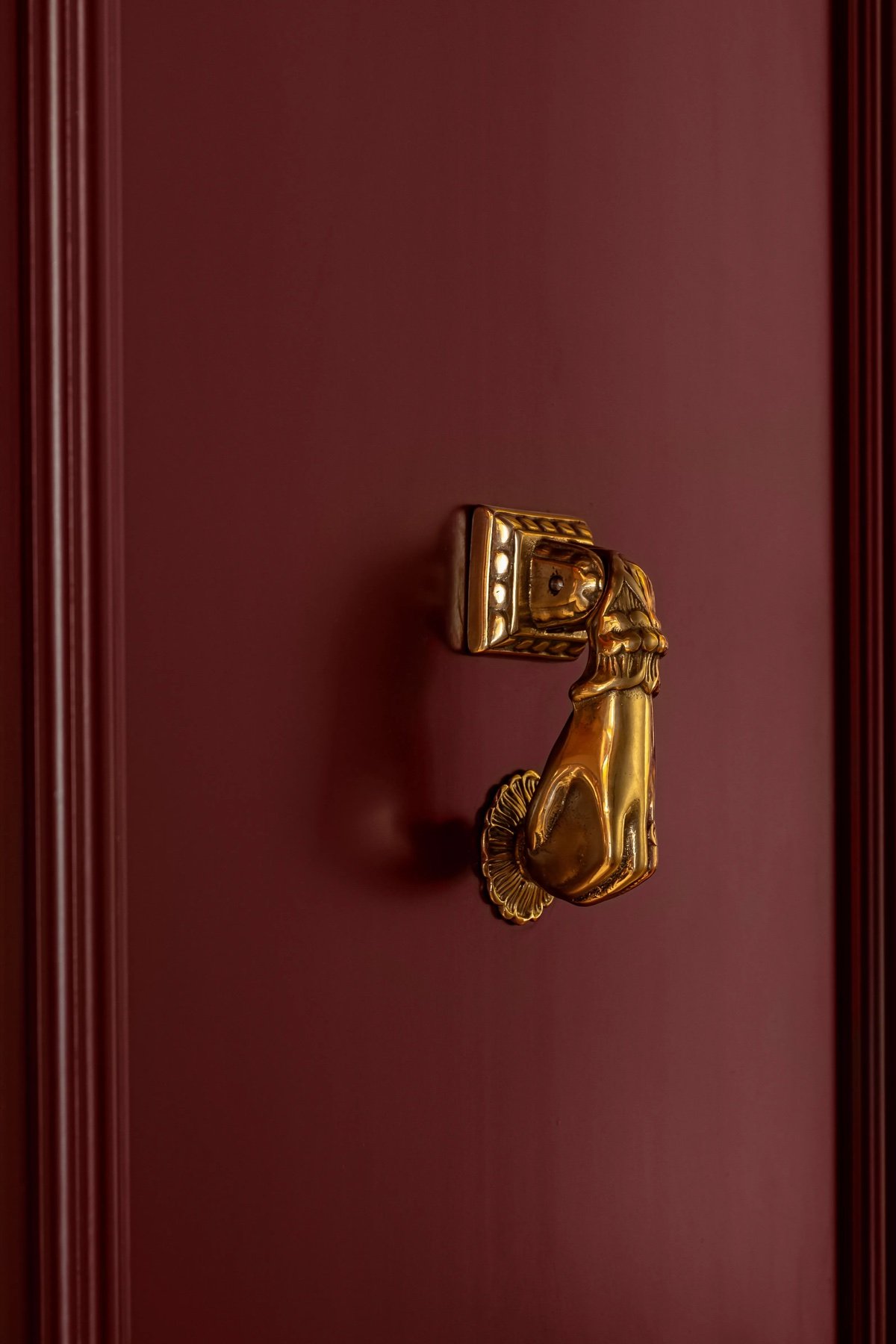
Inside Experimental Roma, warm mineral surfaces and terracotta tones coexist with stainless steel, chrome and carefully placed metallic accents. Architectural details recall the city’s historic interiors, while elements inspired by Italian design of the 1950s through the 1970s introduce an entirely different energy.
A sculptural staircase helps establish the transition from the street to the hotel’s interiors. Elsewhere, lacquered surfaces, textured fabrics and reflective finishes alter the atmosphere from one room to another.
What makes the scheme compelling is the tension between these different languages.
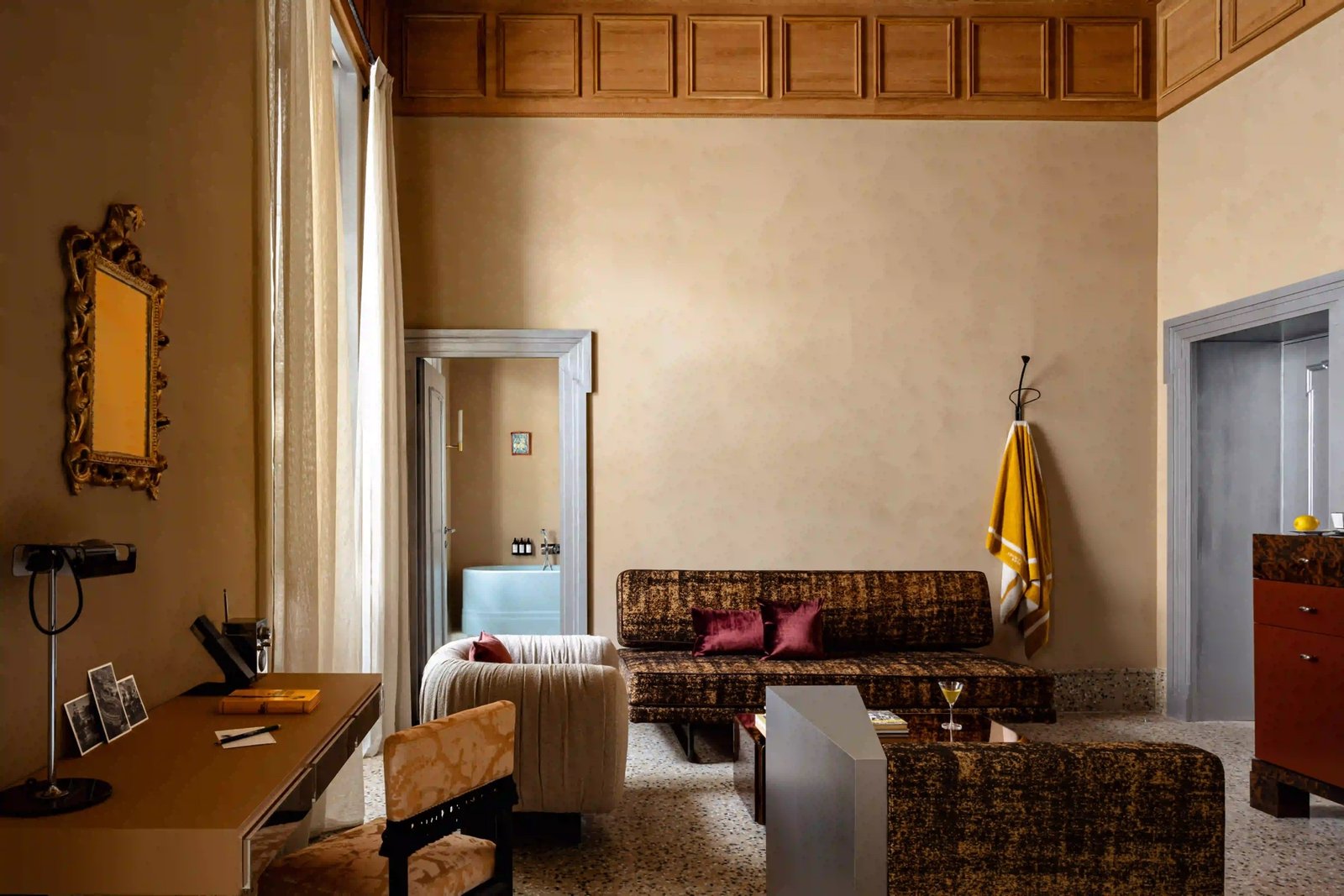
Marble is not simply there to suggest luxury, nor is polished metal used merely as a contemporary counterpoint. Their juxtaposition gives the interior a sense of movement, as though different moments in Italian design history were occupying the building at once.
Two Interpretations of the Guest Room
Perhaps the clearest expression of Parente’s approach appears in the accommodation.
Rather than applying a single decorative scheme throughout, the designer has developed two distinct interior vocabularies.
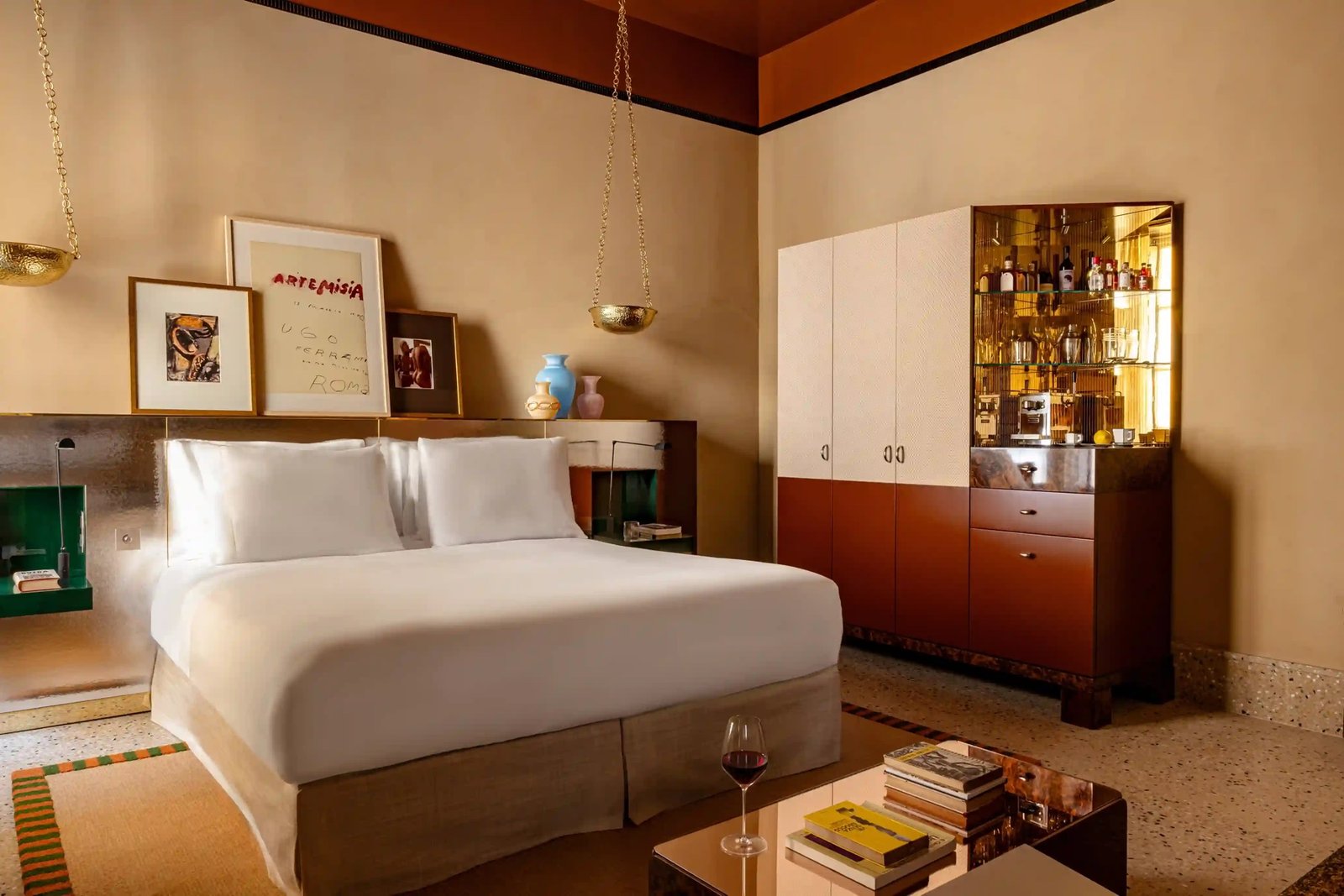
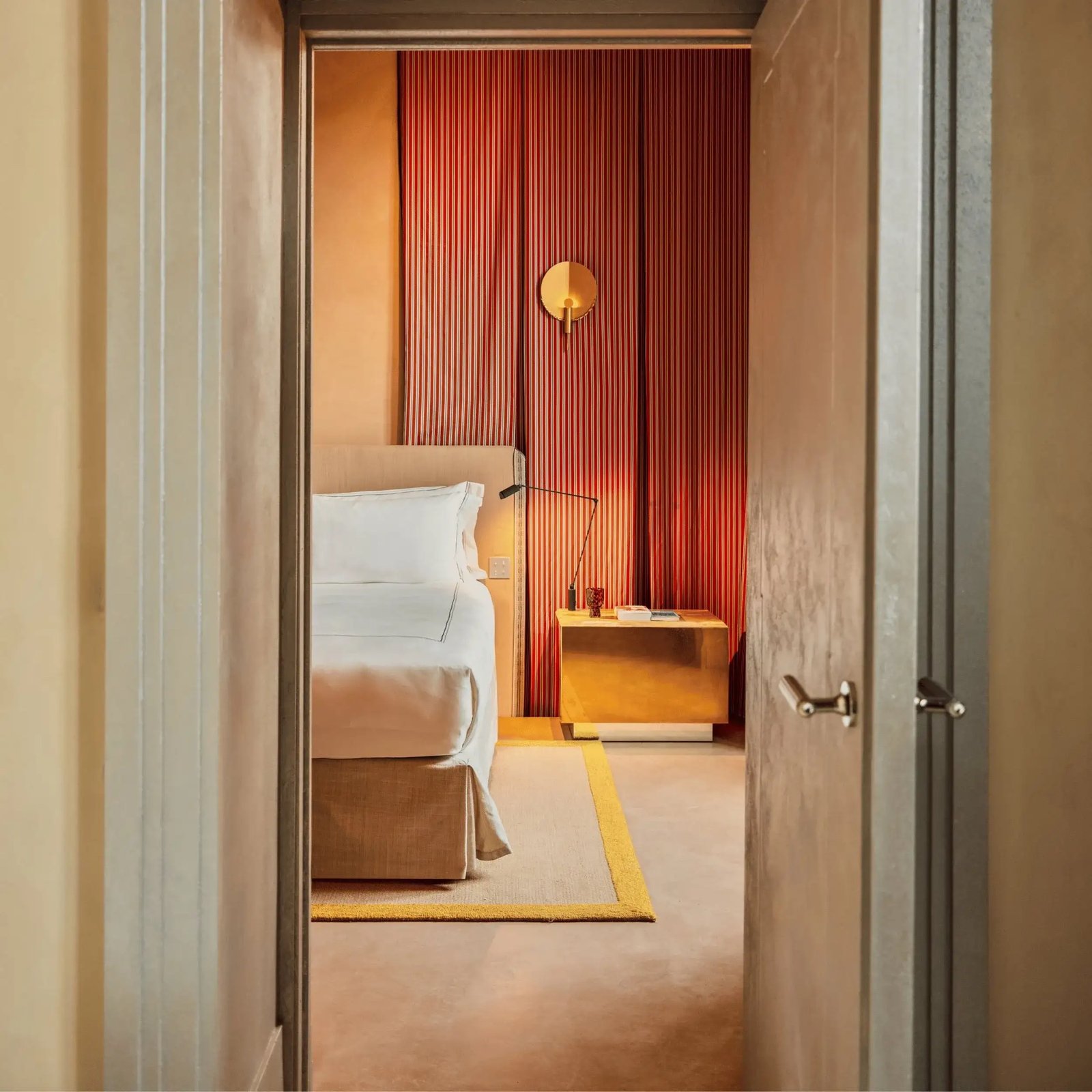
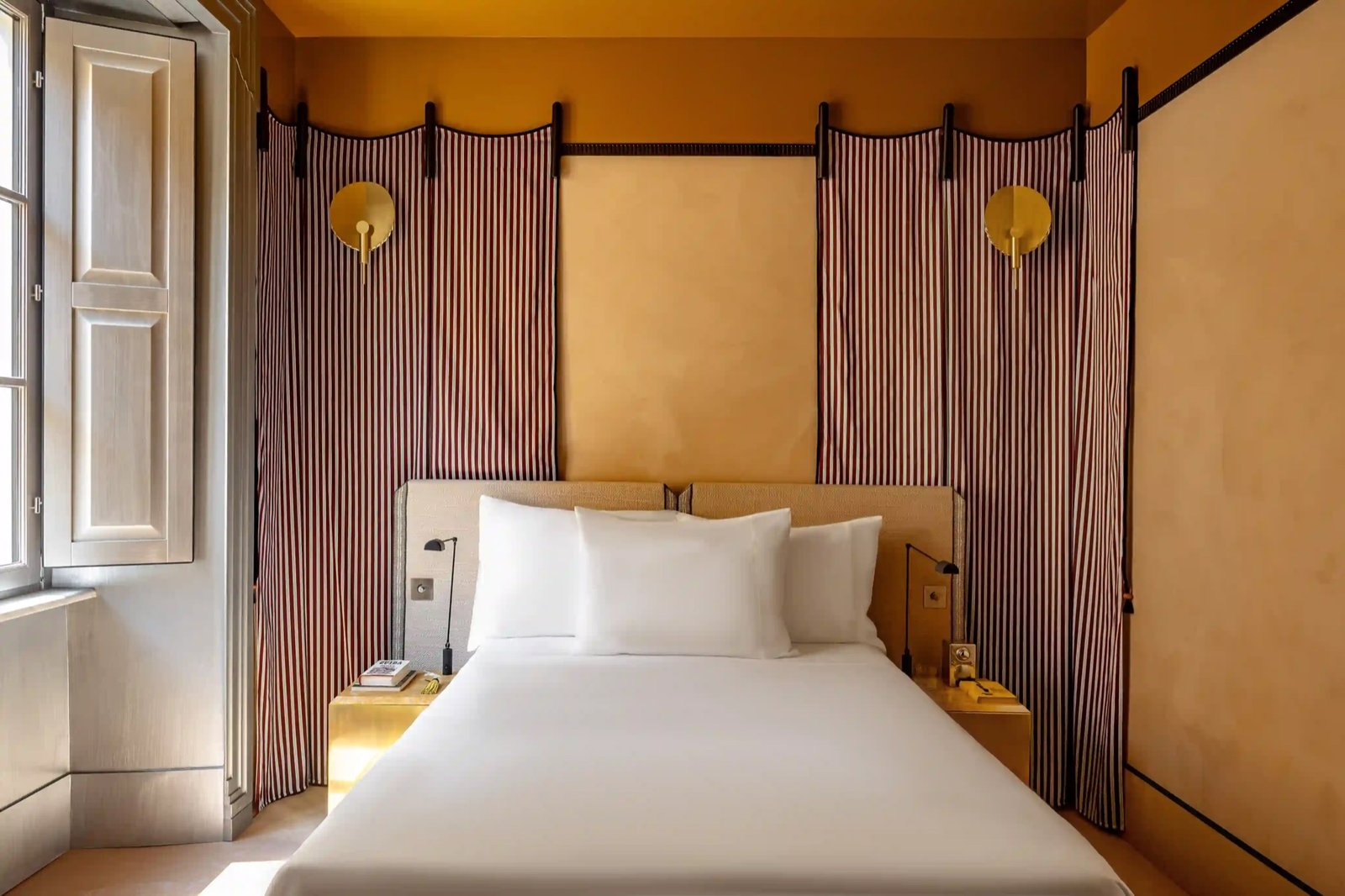
One is expressive and theatrical. Oversized upholstered headboards, draped textiles and rich colours evoke the intimacy of historic Roman residences, with references to the decorative traditions surrounding Villa Medici and the Baroque city.
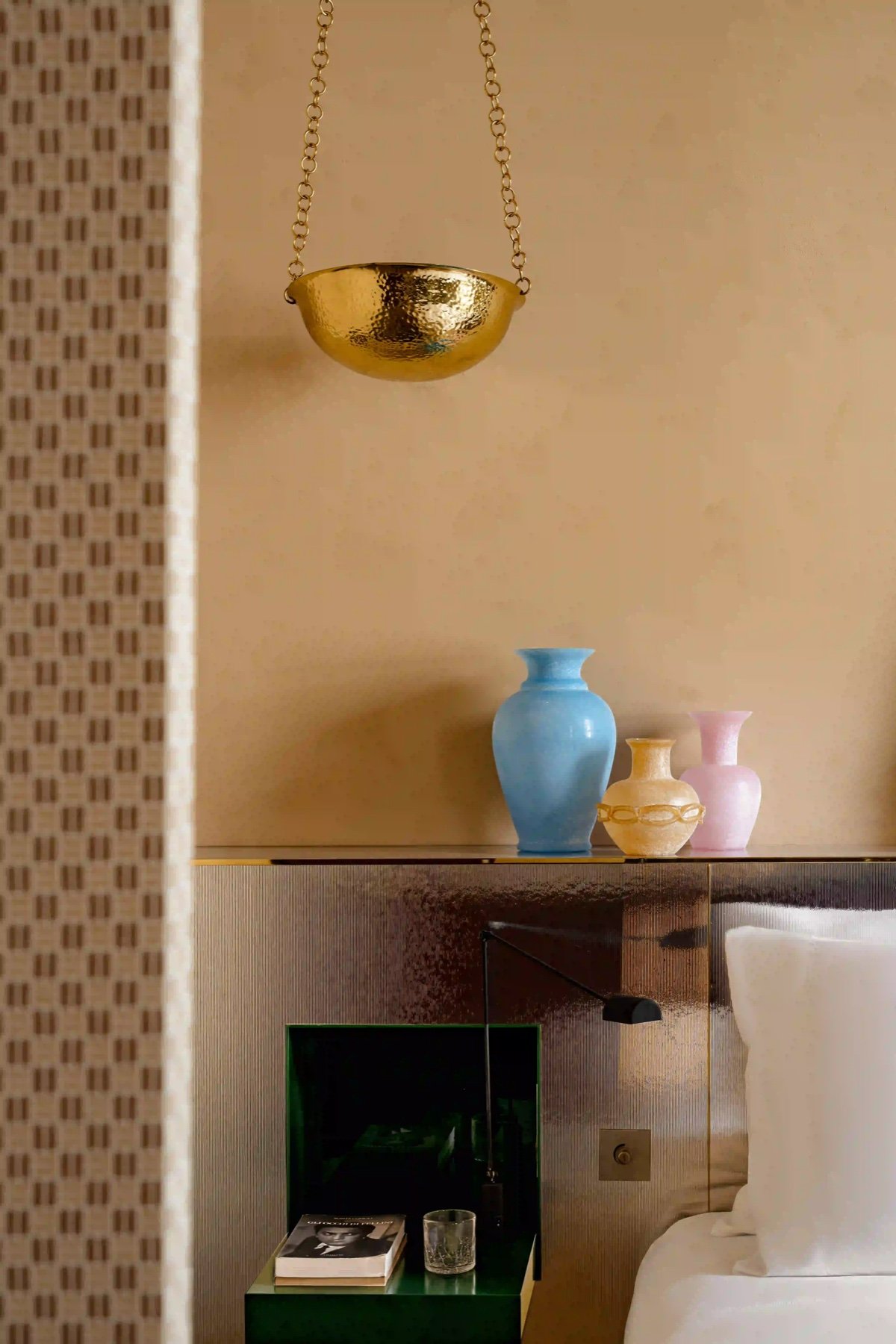
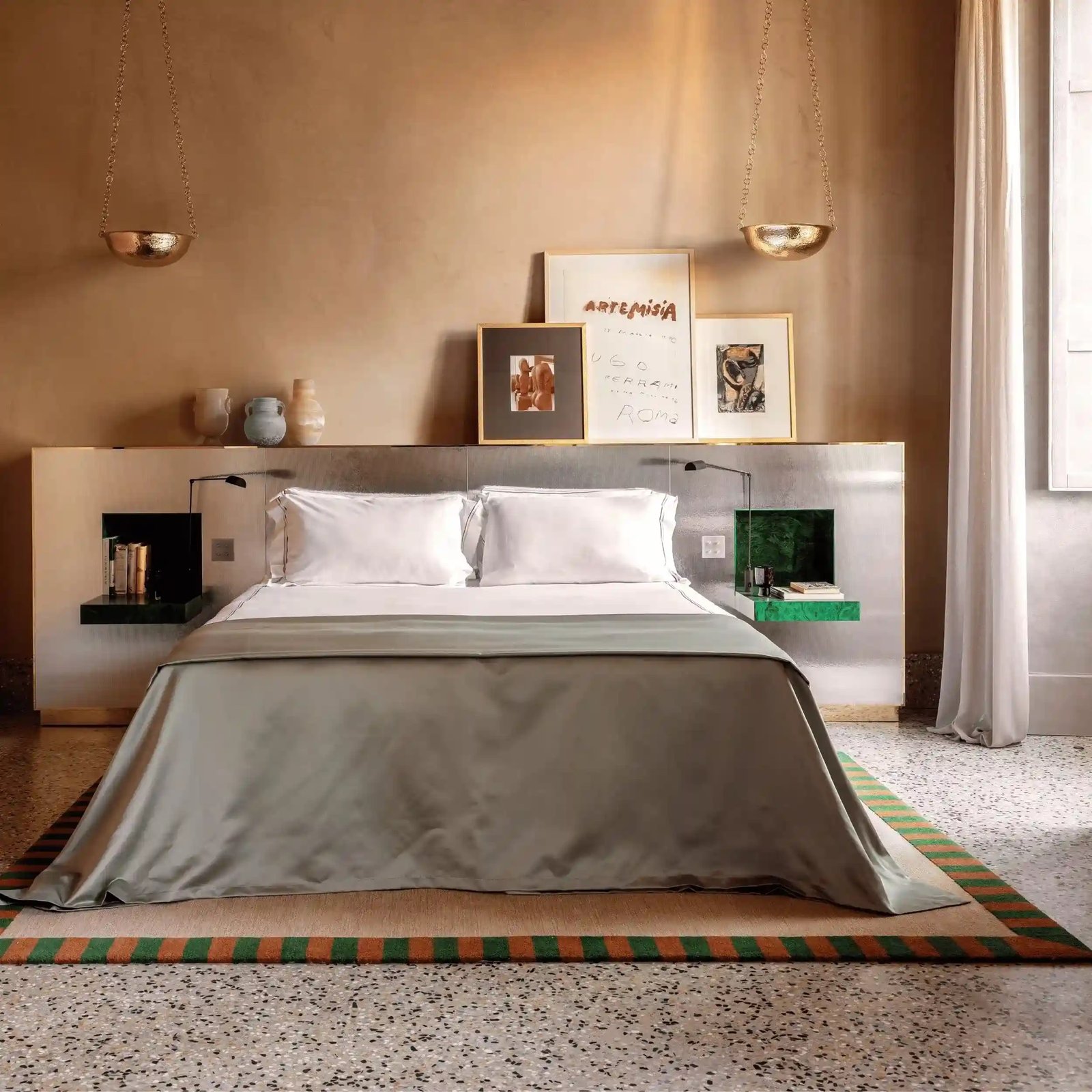
The other is more restrained, almost futuristic. Here, lacquered ceilings, mineral finishes and ribbed stainless-steel headboards replace the softness of fabric with something sharper and more architectural.
These contrasting approaches create a dialogue between decoration and abstraction.
In some rooms, the bed becomes a carefully framed composition of colour and textile. In others, reflective materials and sculptural furniture establish a quieter, more gallery-like environment.
Art plays an important role, too. The hotel’s creative direction draws on the legacy of Rome’s Galleria Ugo Ferranti, associated with influential movements in Conceptual and Minimalist art.
The relationship between furniture, artwork and architecture is consequently more deliberate than the familiar practice of adding a few decorative prints to a hotel bedroom.
Beyond the Guest Rooms
Experimental Roma also understands that the identity of a hotel is established in its communal spaces.
At Ludovisi e Cadore, the hotel’s restaurant, Roman-born chef Giovanni Passerini brings his experience in Parisian gastronomy back to his home city.
The interiors extend the decorative ambition of the guest rooms into a more sociable setting. Rich upholstery, gleaming surfaces and atmospheric lighting create a space designed as much for lingering over dinner as for the meal itself.
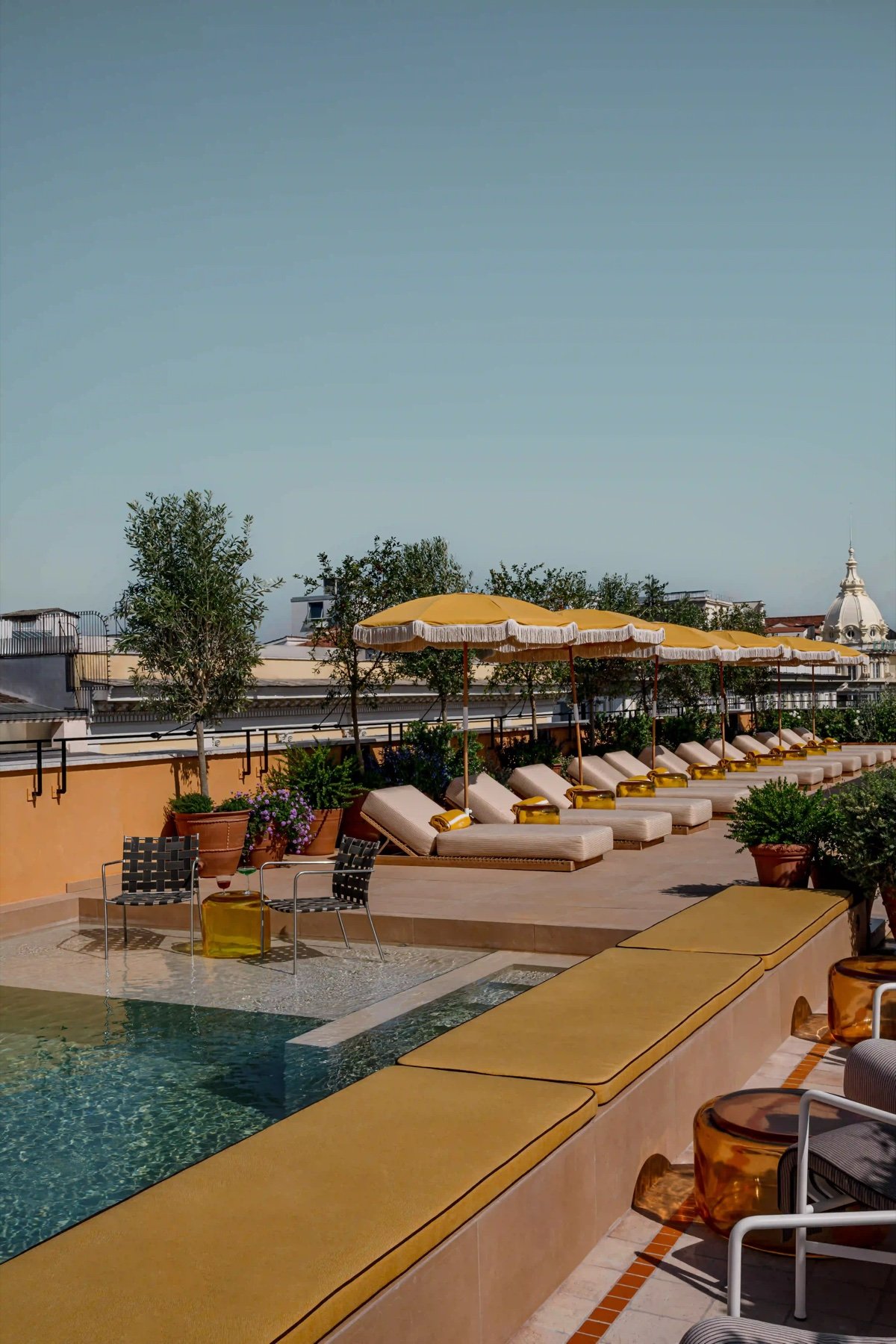
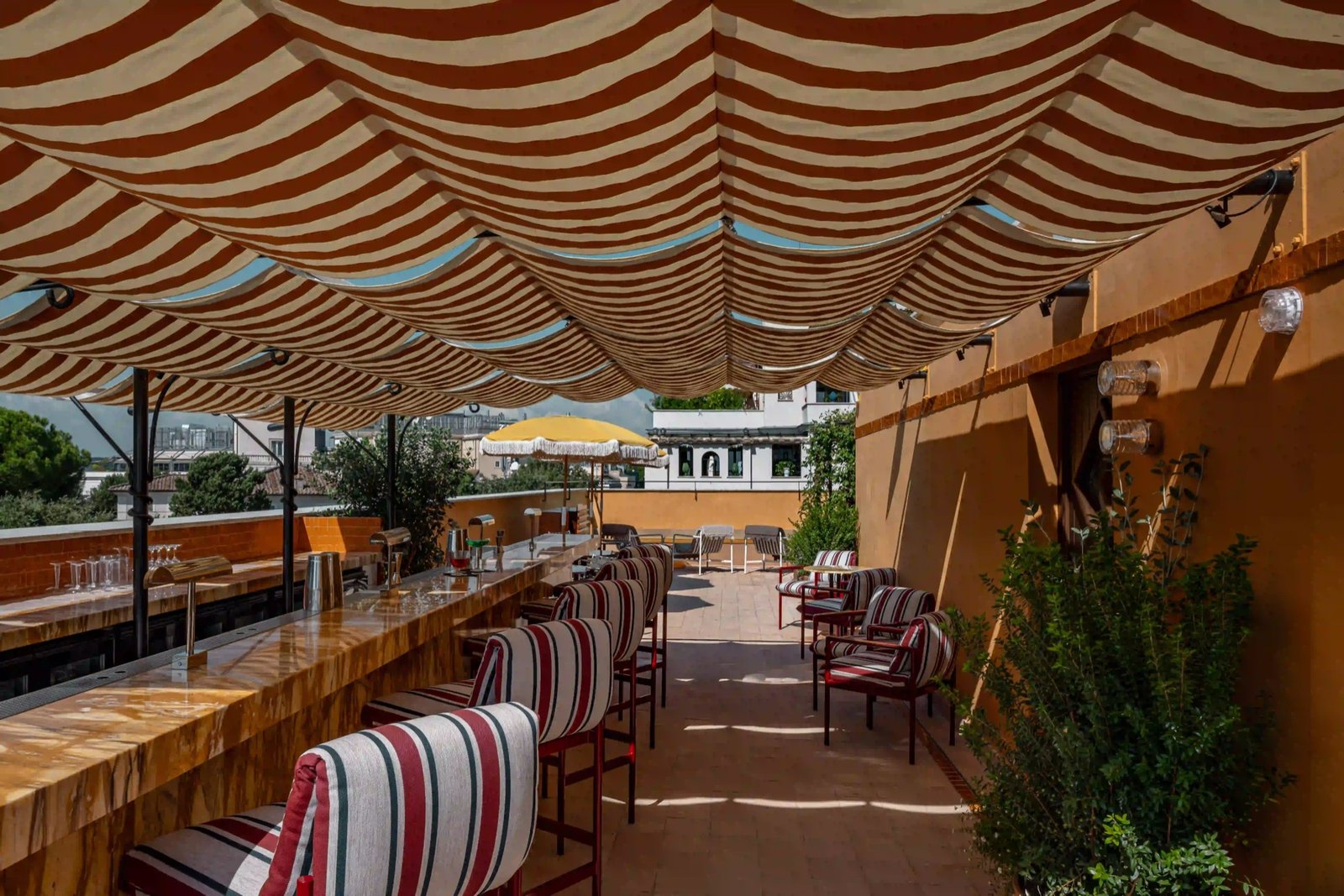
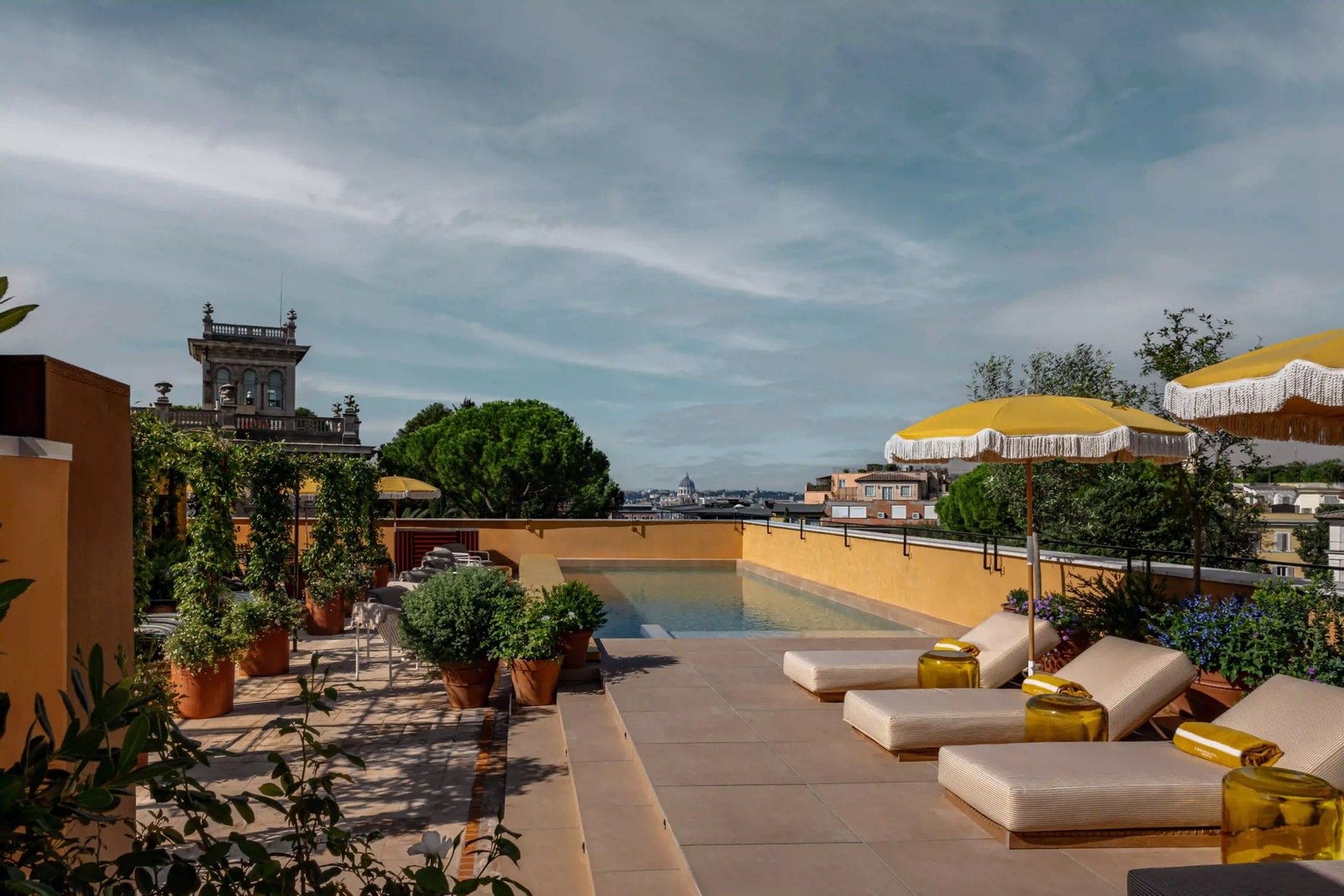
The Experimental Cocktail Club continues the group’s long-standing relationship with cocktail culture, while the rooftop introduces a more relaxed atmosphere.
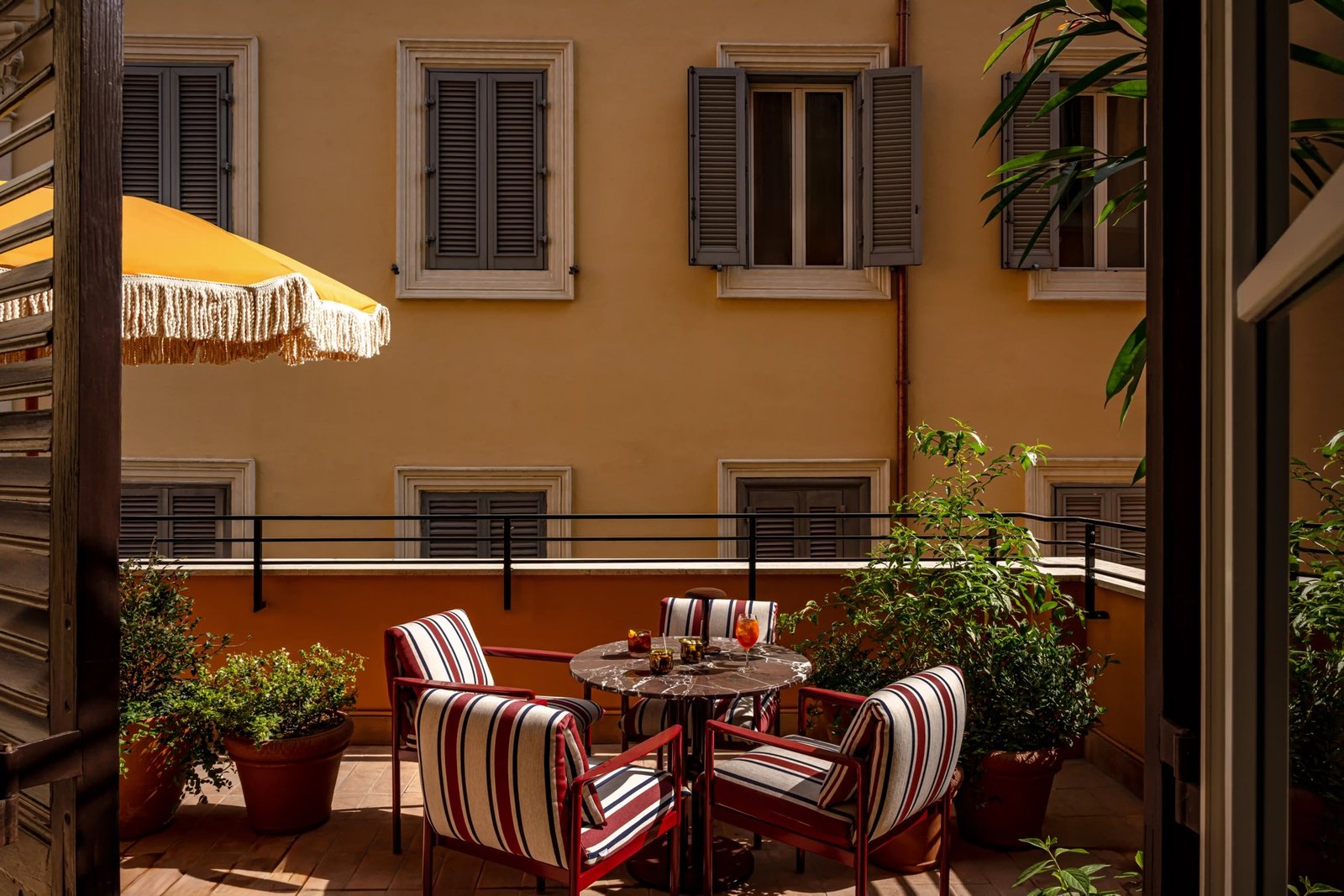
Here, a swimming pool, striped furnishings, fringed parasols and planted terraces establish a setting quite different from the enclosed theatricality below.
The contrast feels intentional. From the intimate guest rooms to the more extroverted public spaces, the building offers several different experiences of the same design language.
A Contemporary Approach to Roman Grandeur
Experimental Roma arrives at a time when many historic European buildings are being reconsidered as hospitality destinations.
The challenge is no longer simply to preserve architectural character or insert contemporary luxury into an existing structure. More interesting projects find a way to establish a new identity without erasing what came before.
Parente’s contribution is to treat Rome’s cultural history as material for interpretation rather than a collection of decorative rules.
The hotel is glamorous, but not entirely nostalgic. Decorative, but not stylistically uniform. At times it is surprisingly modern.
That is what makes it feel particularly appropriate to its setting.
Rome has always been a city of contradictions, where different centuries coexist with remarkable ease. Experimental Roma simply gives that familiar condition a new interior expression.
For another interpretation of Roman hospitality, explore Condominio Monti by STUDIOTAMAT, where colour, bespoke furniture and a neighbourhood setting shape a more intimate hotel experience.