
For its first Latin American edition, Alcova is heading to Mexico City during Art Week in February 2027. Three remarkable buildings, each with a distinct architectural history, will become the setting for an encounter between contemporary design and the city’s built heritage.
A 1920s mansion, an old school and a modernist villa might seem unlikely companions. Yet for Alcova, which has made a practice of finding extraordinary settings for contemporary design, the buildings are as important as the objects they will contain.
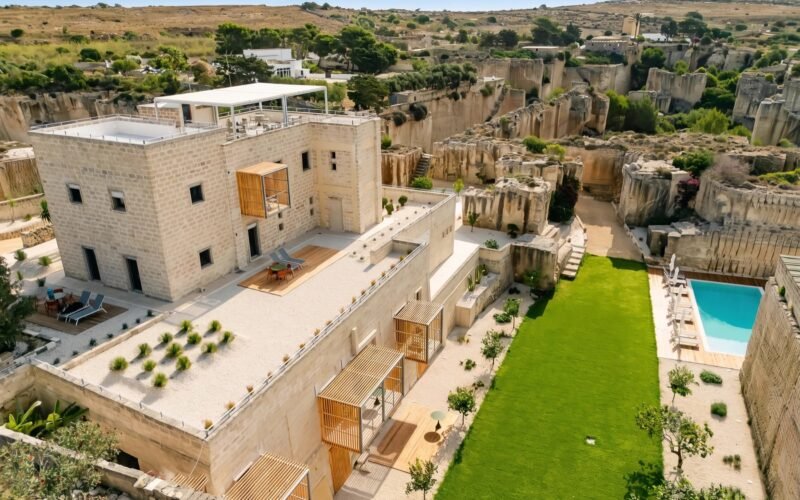
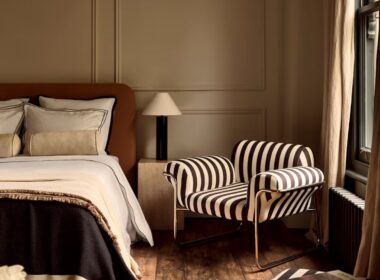
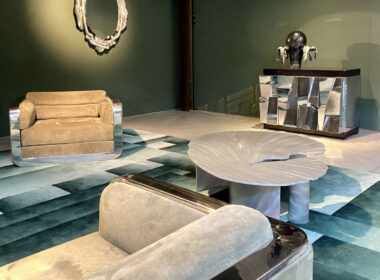
Founded in Milan in 2018 by Valentina Ciuffi and Joseph Grima, the itinerant design platform has occupied former factories, military buildings, historic villas and unexpected urban spaces. Its first Latin American edition, arriving in Mexico City in February 2027, continues that exploration in a city with a particularly rich architectural and creative identity. Authentic Interior covered Alcova at Milan Design Week 2025, when Villa Borsani and Villa Bagatti Valsecchi gave the exhibition two very different architectural settings.
Developed in partnership with Proyectos Públicos, the exhibition will unfold across three sites: Casa Palomar, Bucareli School and Villa Reforma. Together, they offer a journey through different chapters of Mexican architecture, from the grandeur of the early twentieth century to the openness of mid-century modernism.
Casa Palomar: A House with a History
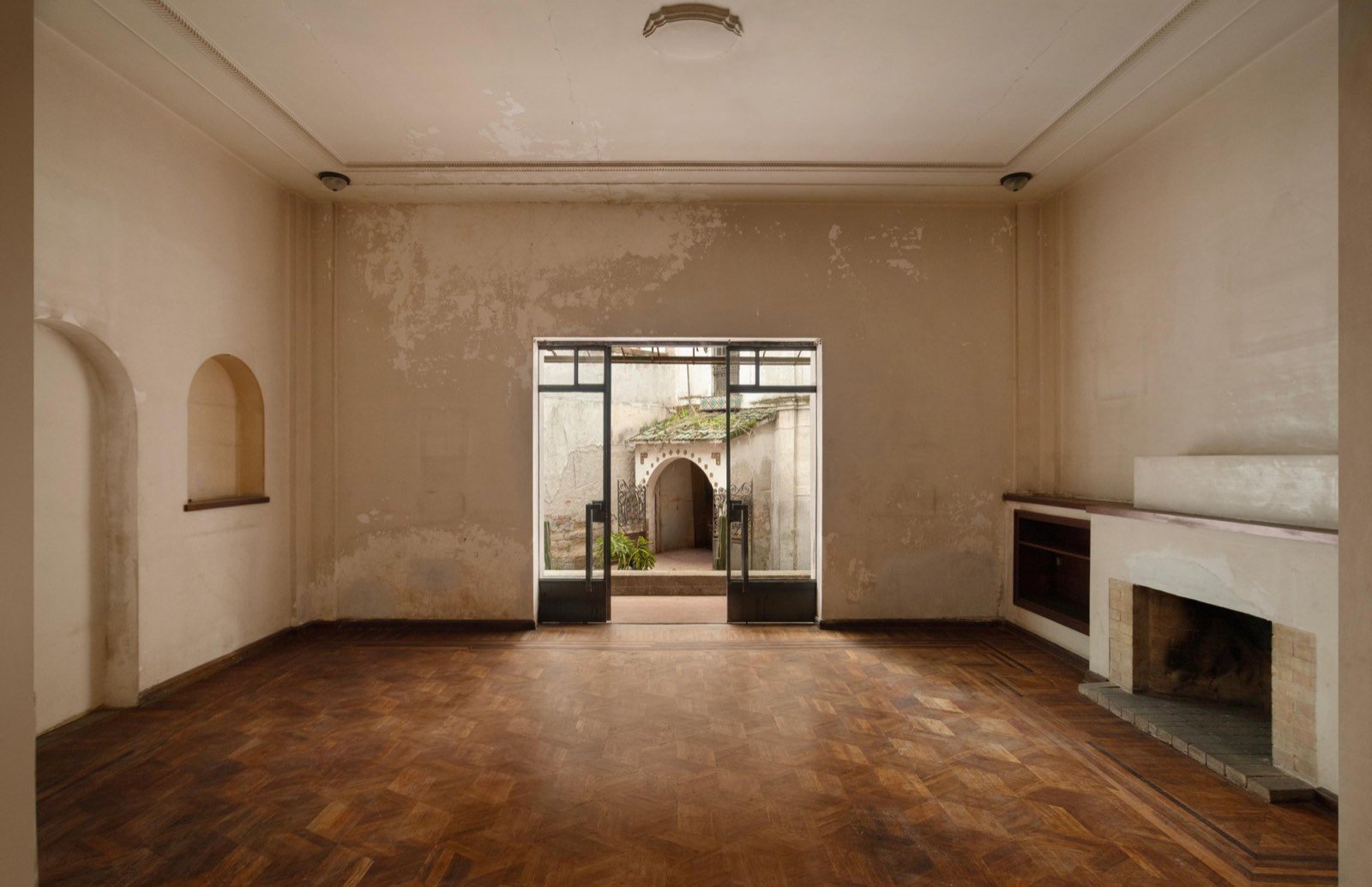
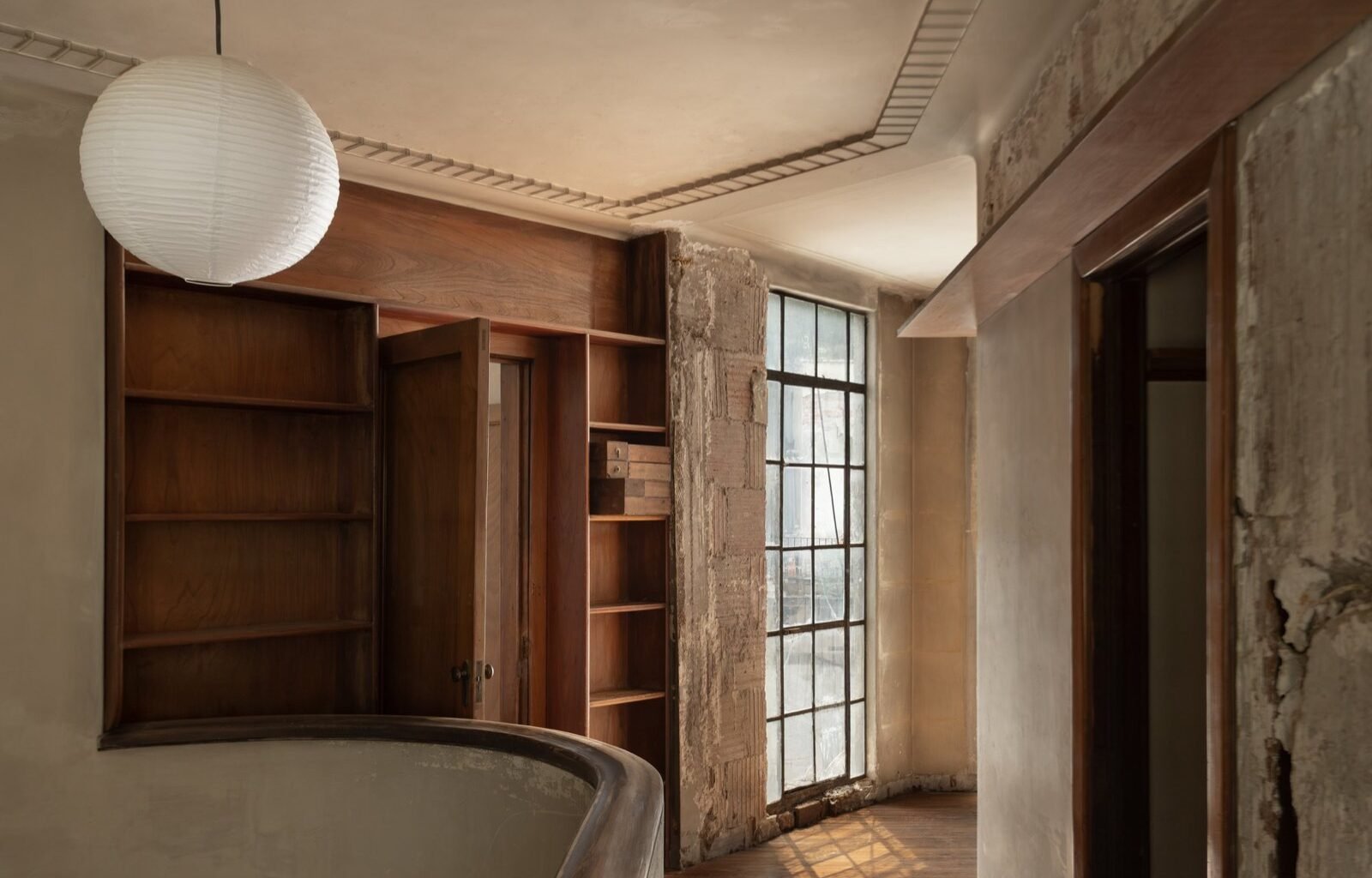
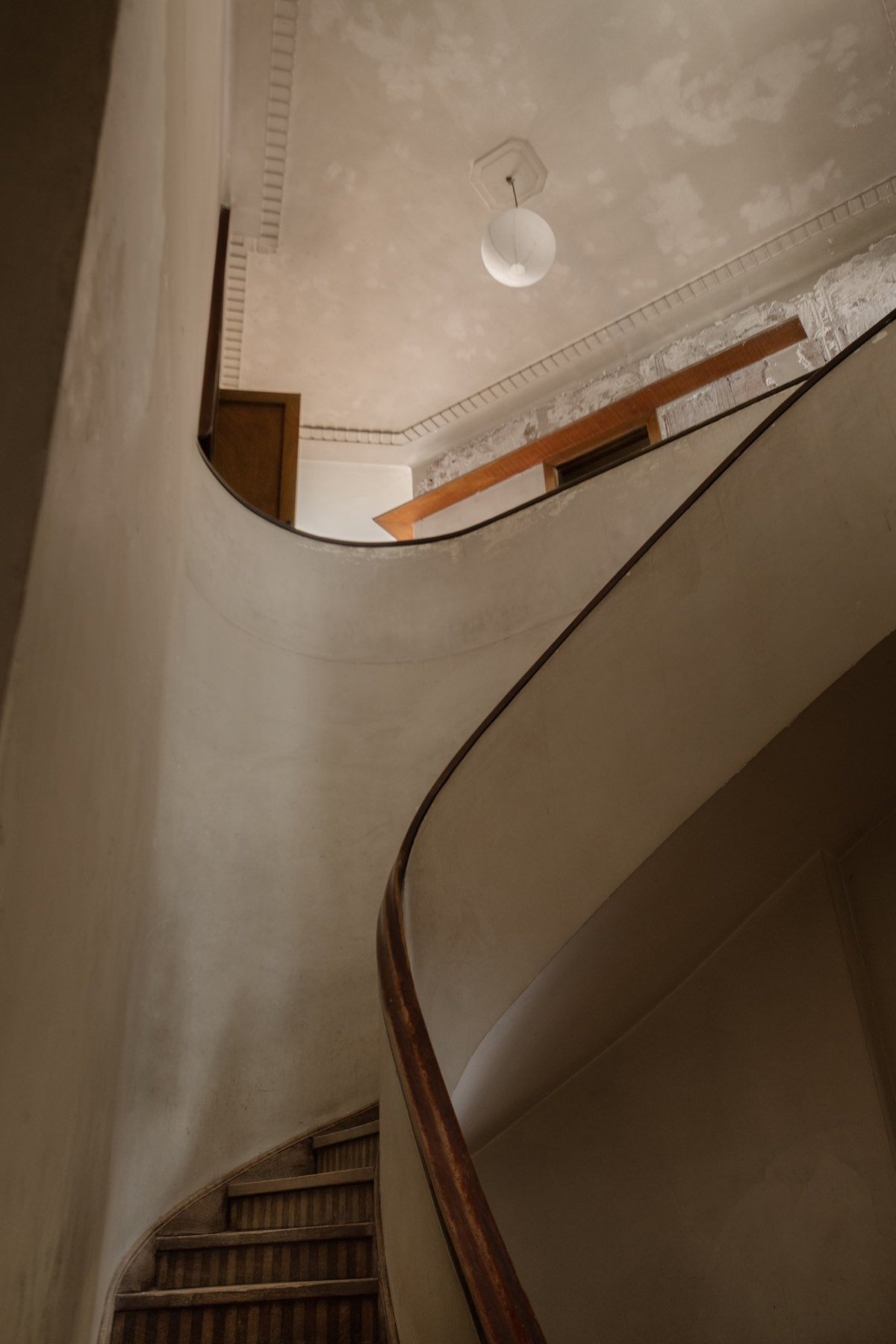
In Mexico City’s Juárez neighbourhood, Casa Palomar occupies a mansion on General Prim, a street whose historic residences recall the area’s origins as an affluent residential quarter.
Built in 1920, the house was remodelled in 1932 by Carlos Obregón Santacilia, an influential figure in Mexican architecture. Once the home of a pioneering obstetrician-gynaecologist and his family, its rooms, staircases and courtyards reflect the social ambitions and domestic life of a changing city.
Its architectural character offers an intriguing context for contemporary design.
Unlike a conventional exhibition hall, a historic residence brings an existing sense of scale, memory and intimacy. Objects and installations must establish a relationship with rooms that already possess a personality of their own.
For Alcova, this is precisely the attraction. Architecture is not simply the background to the exhibition; it becomes part of the conversation.
Bucareli School: A Different Sense of Space
Nearby, the former Bucareli School introduces an entirely different architectural experience.
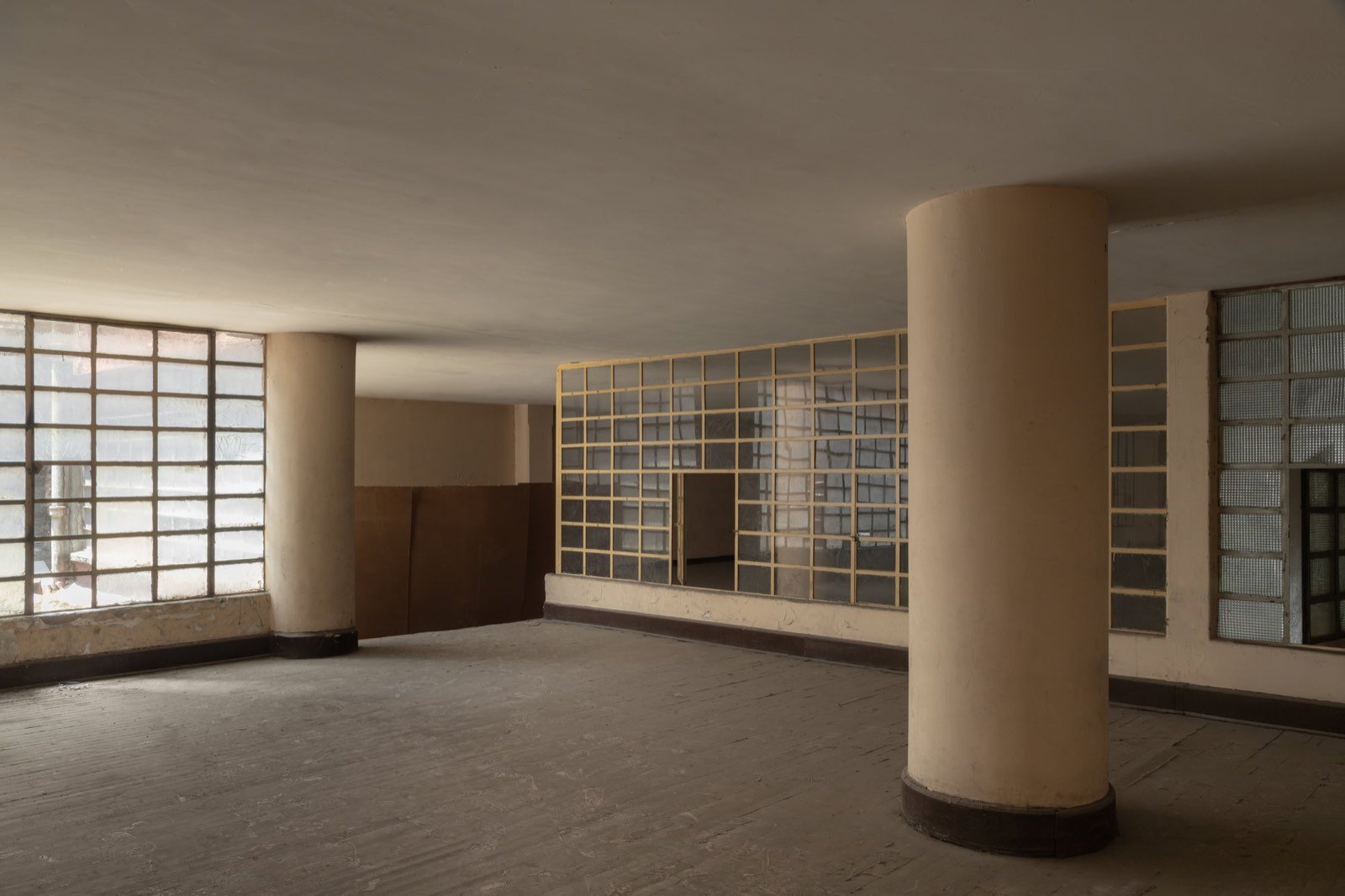
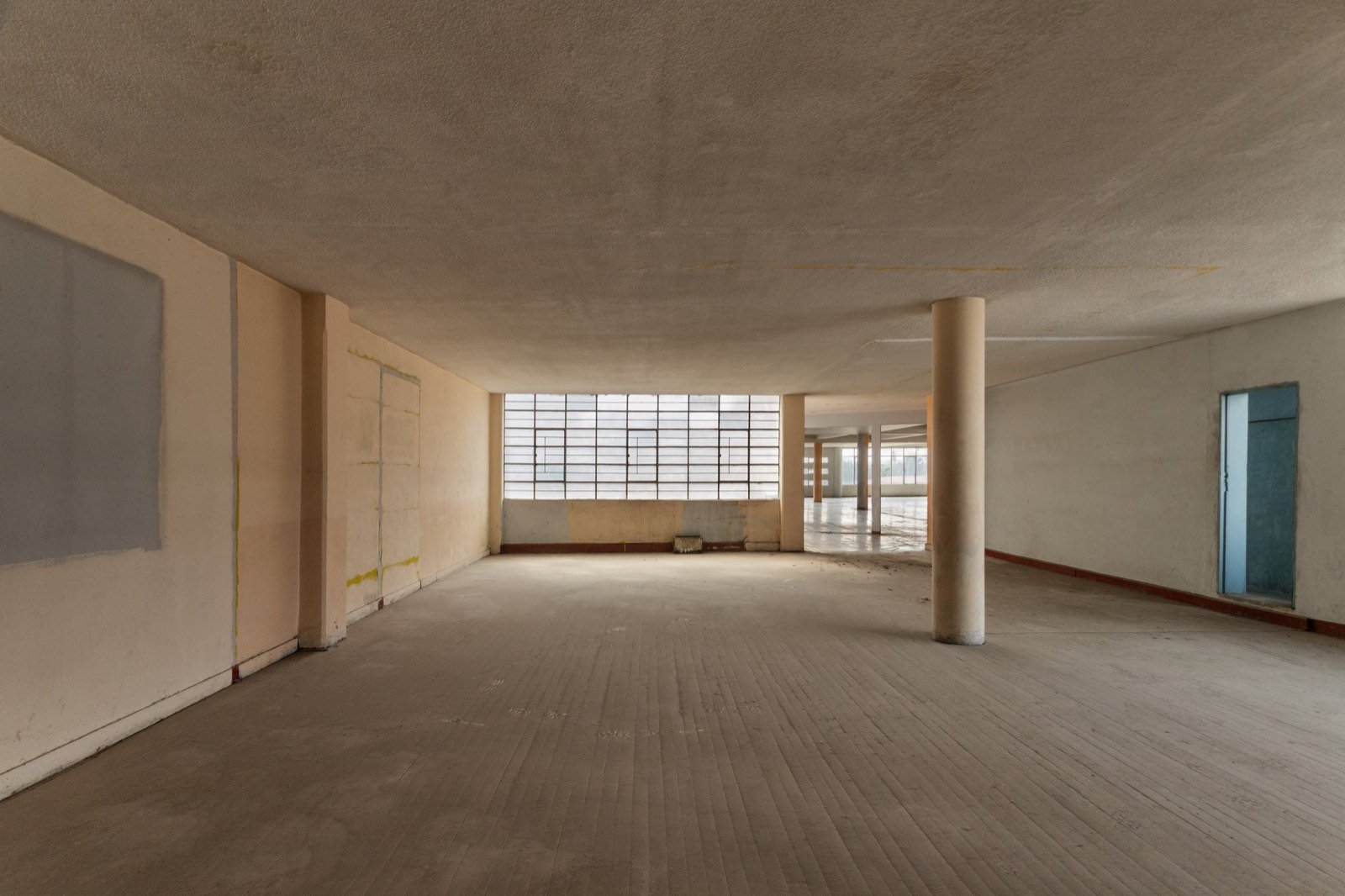
Where Casa Palomar was conceived around private domestic life, the school’s generous classrooms and circulation spaces were designed for collective activity.
The contrast is especially interesting within the context of contemporary design. Domestic rooms encourage intimate encounters with objects, while institutional spaces offer opportunities for larger compositions, experimentation and interaction.
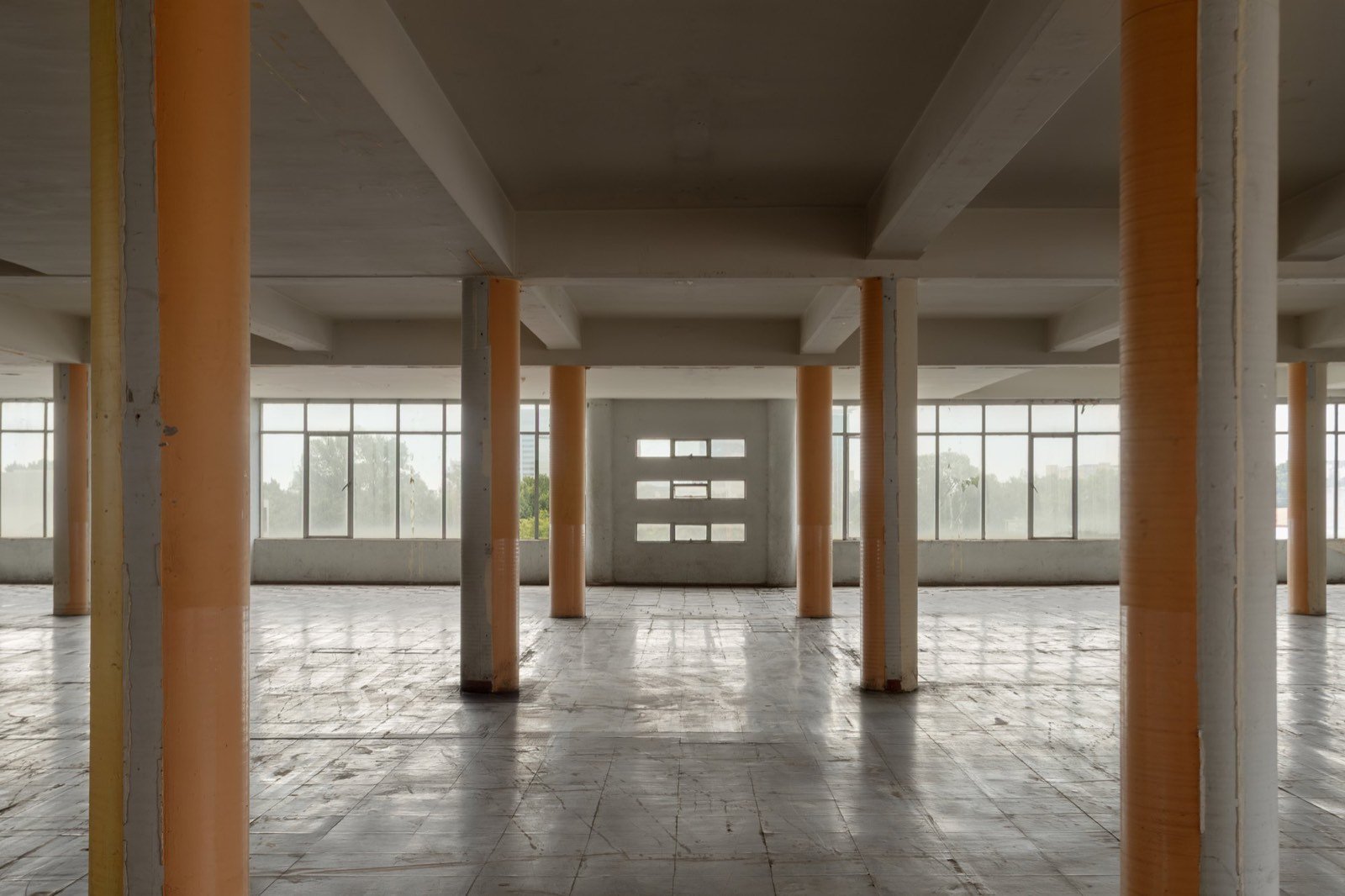
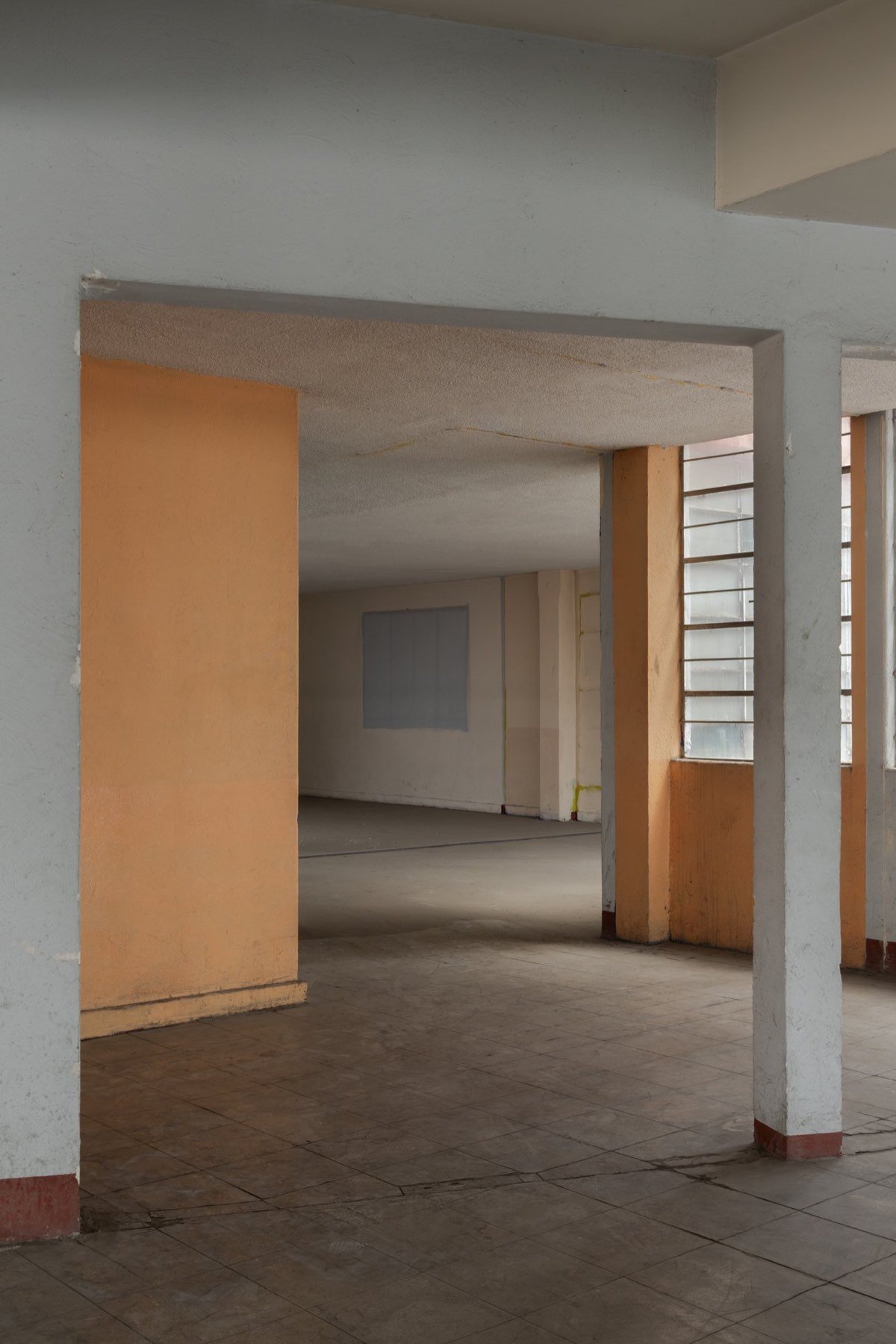
Bucareli Avenue itself adds another layer to the story. Established in the eighteenth century as a tree-lined promenade, it later became associated with important publishing and newspaper buildings. Today, the surrounding neighbourhood is home to an increasingly visible creative community.
Rather than erase these histories, Alcova intends to preserve the buildings’ existing architectural identities, allowing their different spatial qualities to influence the exhibition.
Villa Reforma: The Modernist Counterpoint
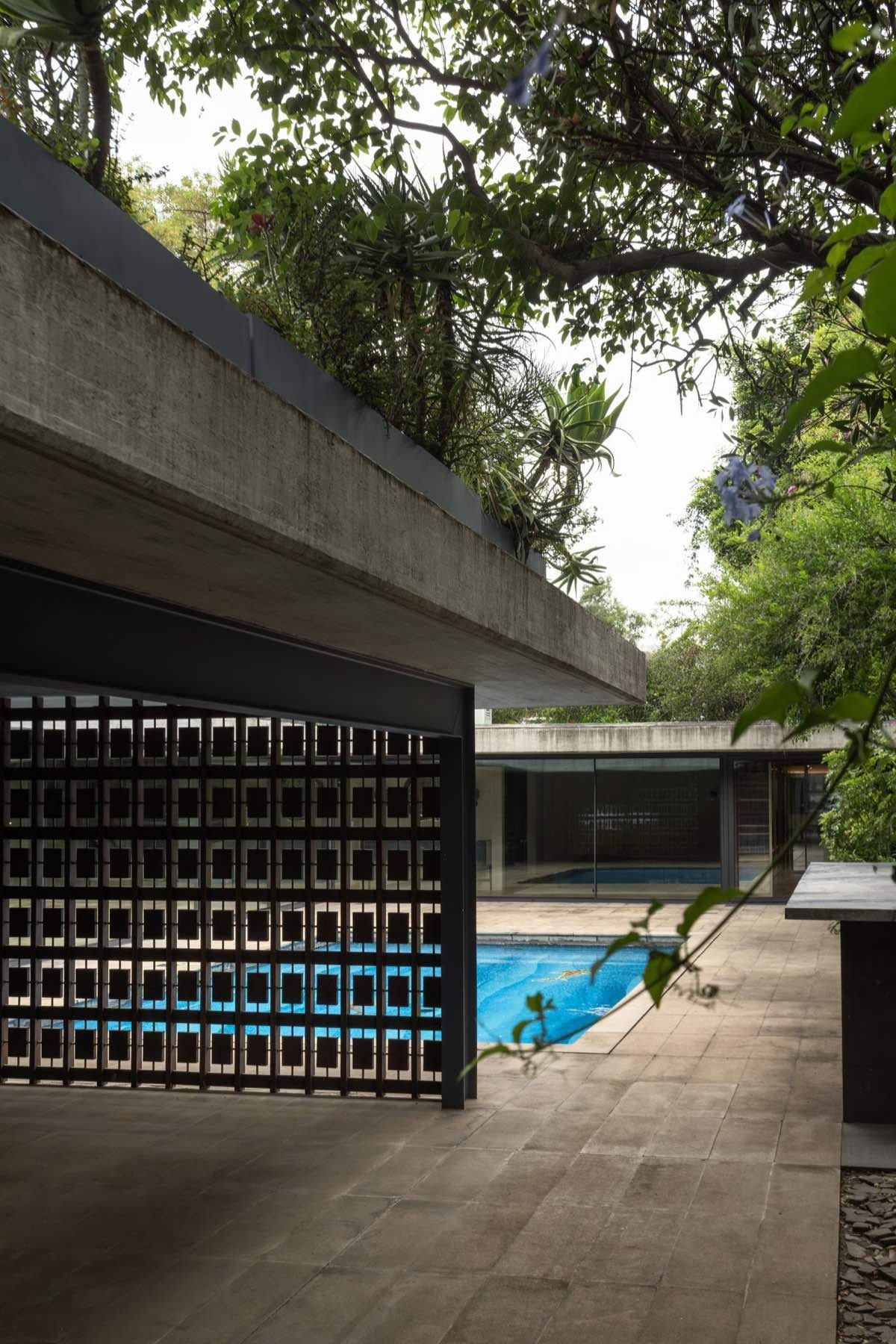
The third venue, Villa Reforma, introduces a remarkable example of Mexican mid-century architecture.
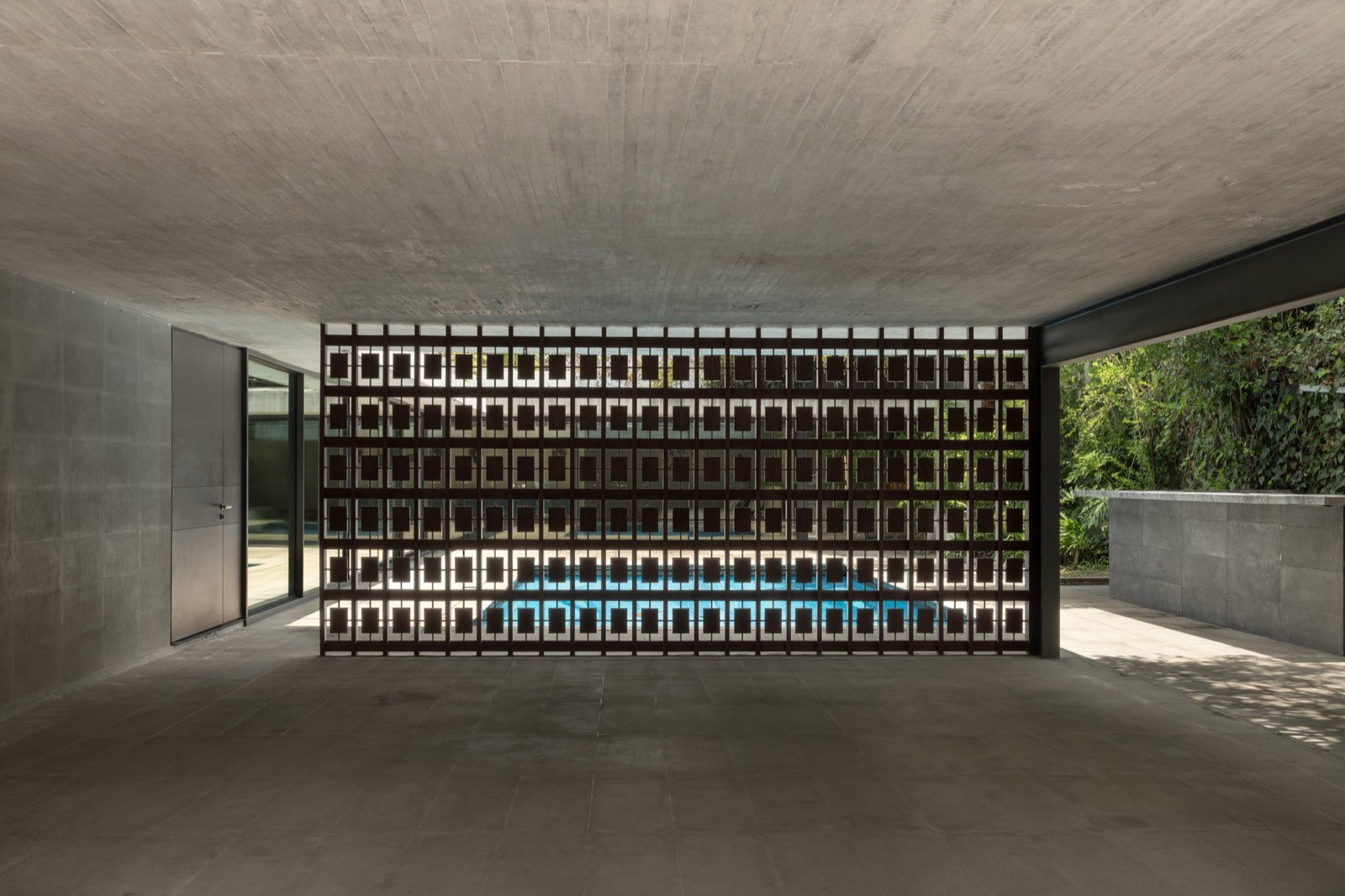
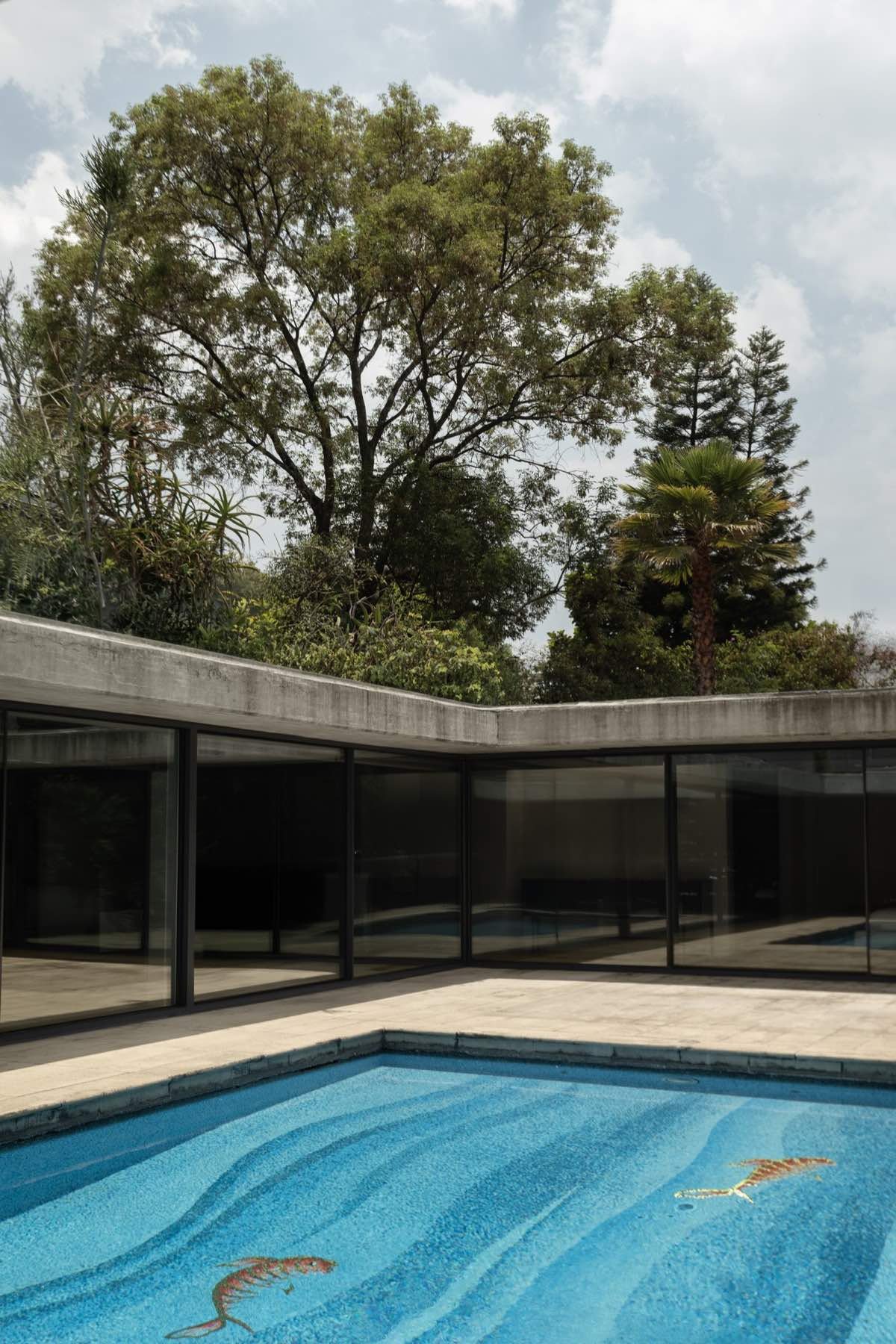
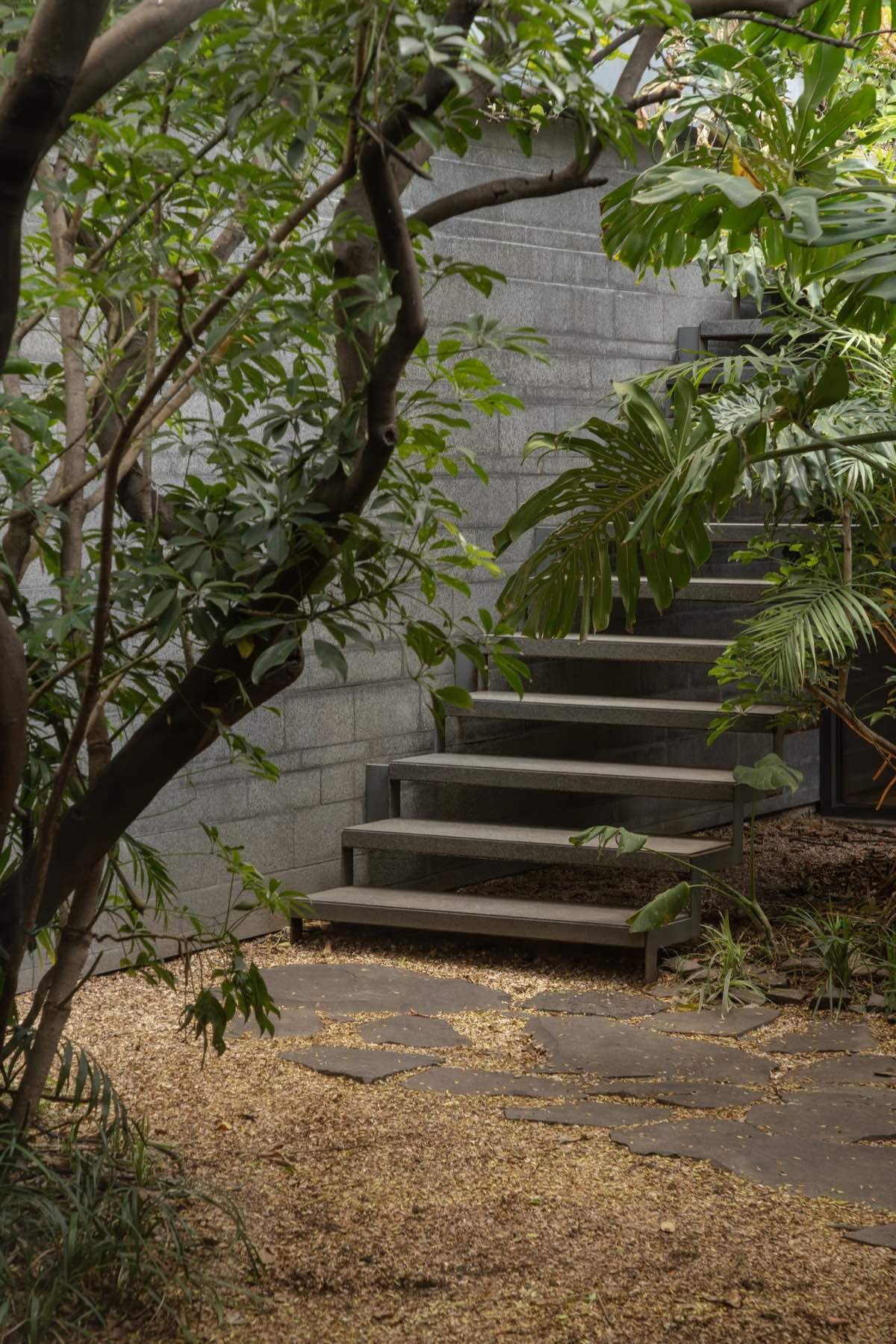
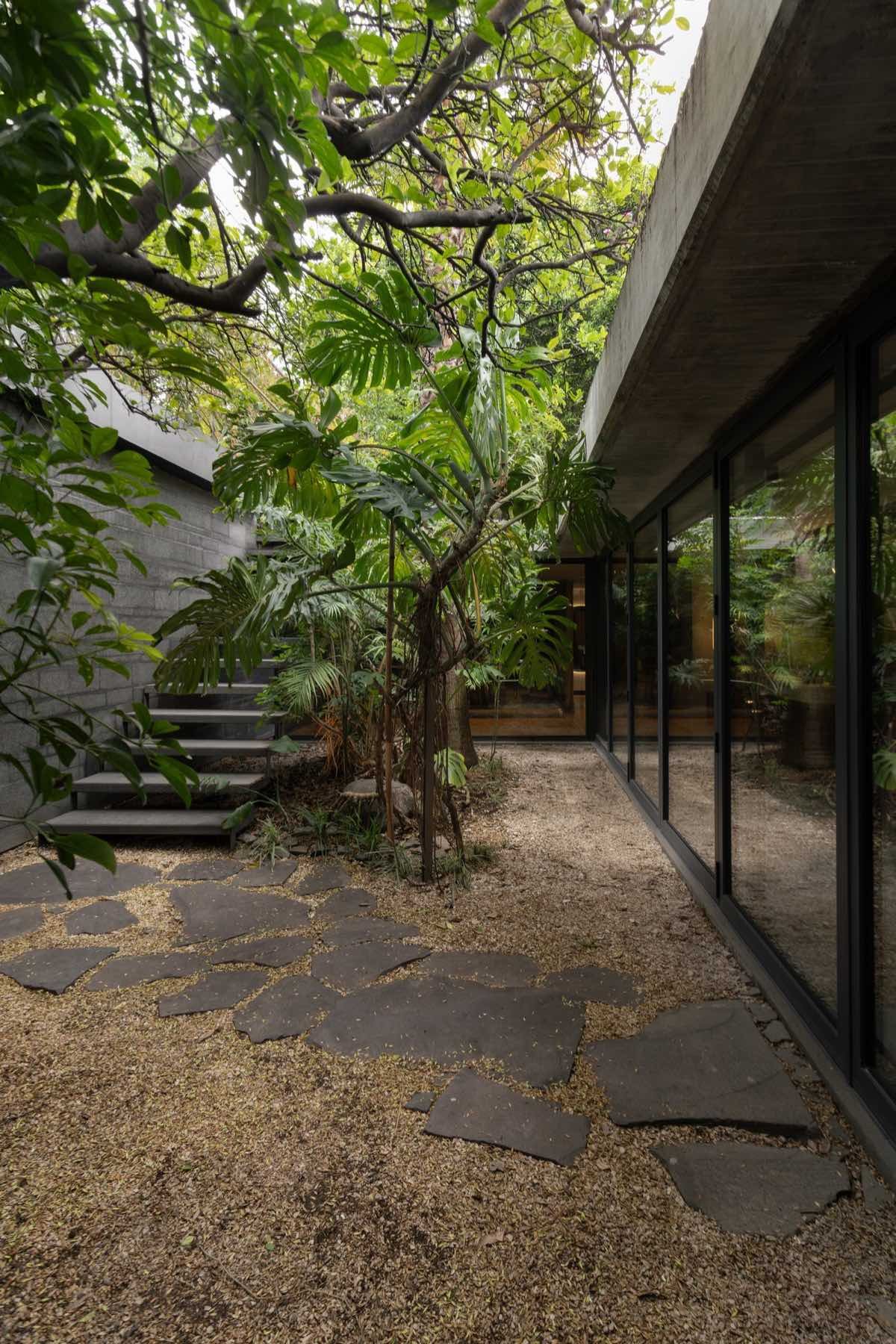
Designed in the 1950s by Francisco Artigas, the villa is characterised by a low horizontal silhouette, an L-shaped plan and extensive glazing that establishes a close relationship between the interior and its surrounding landscape.
Artigas was closely associated with the architectural development of El Pedregal, and Villa Reforma is among the relatively few surviving examples of his residential work beyond that neighbourhood.
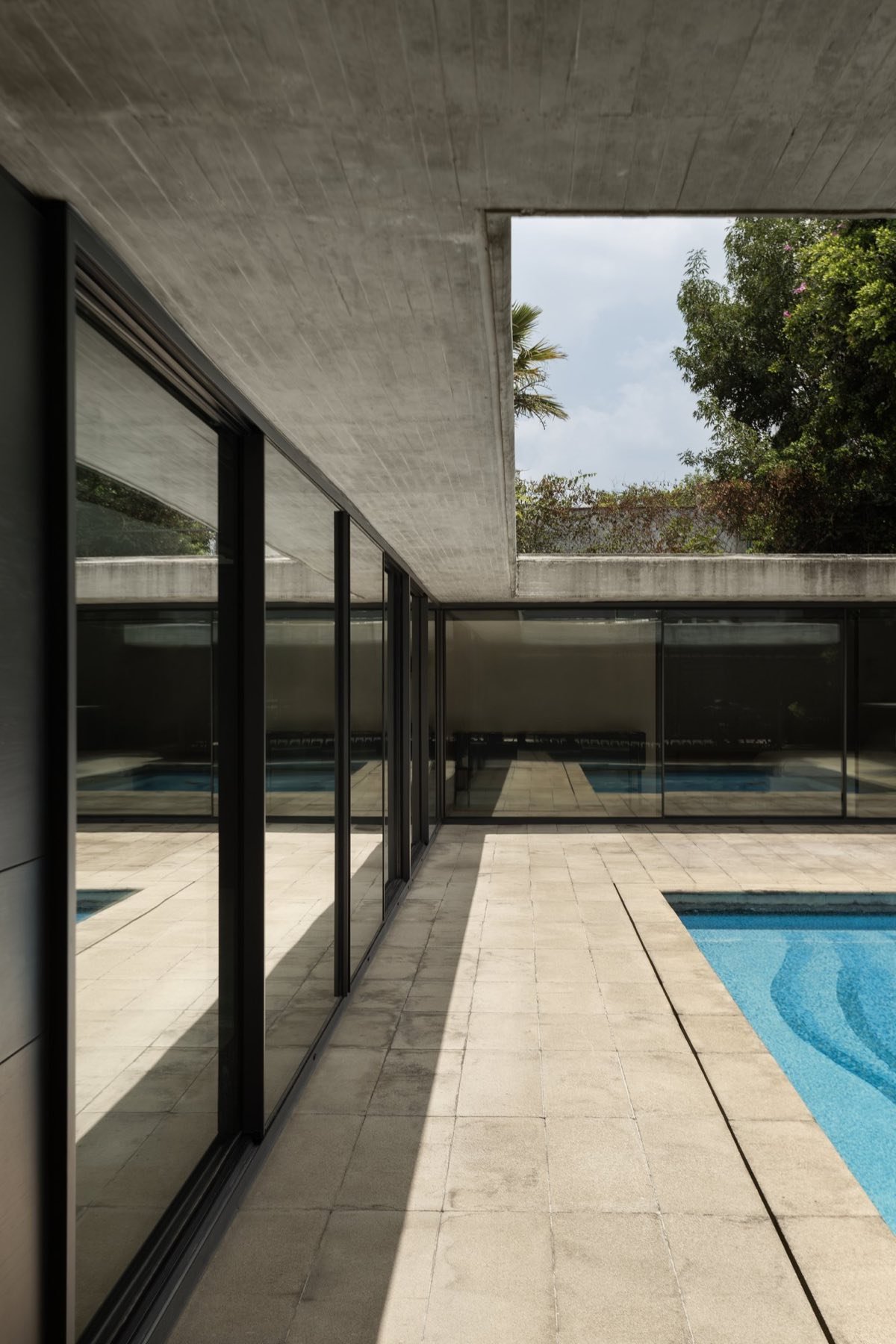
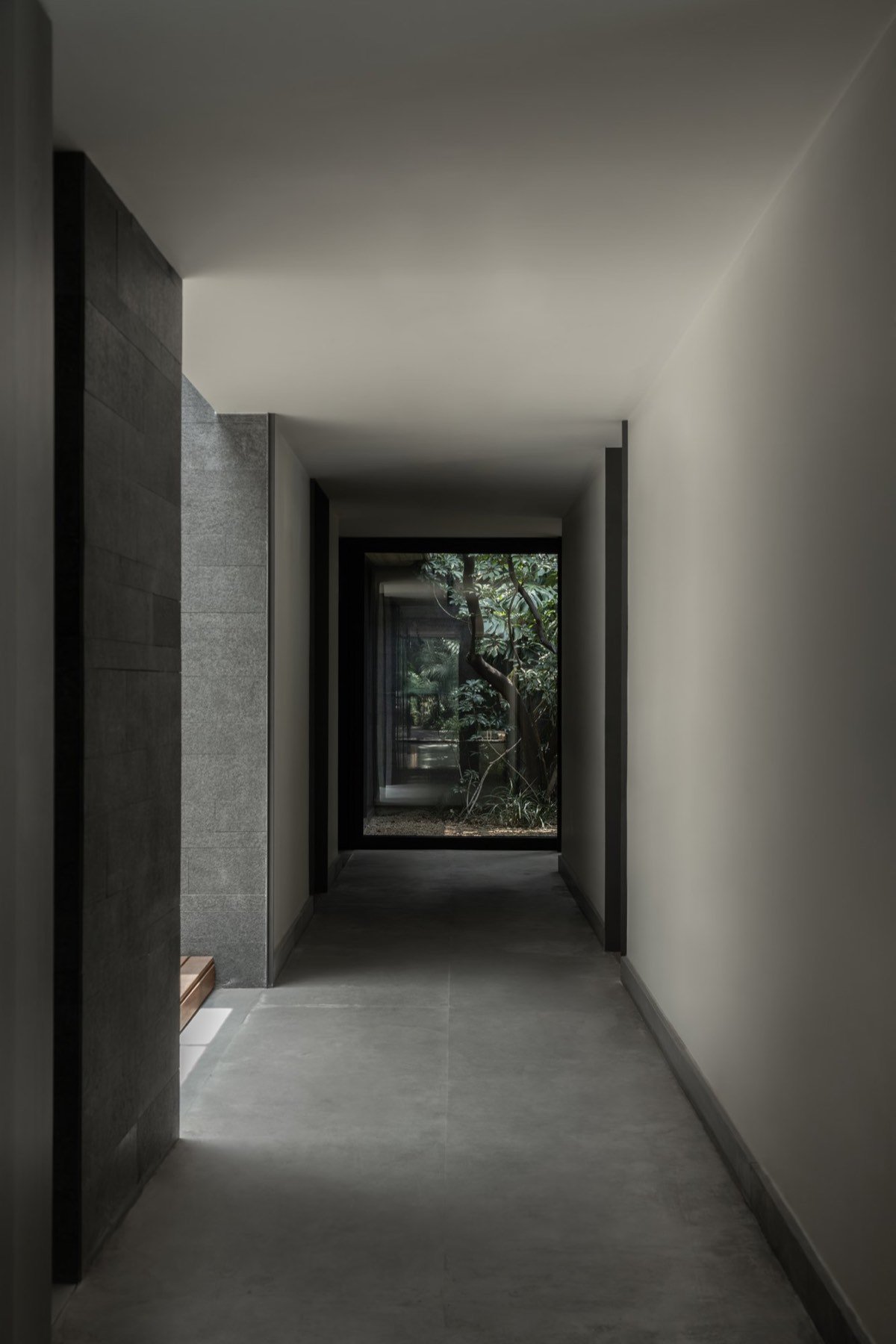
After remaining vacant for more than a decade, the property was restored by interior architect Lorena Vieyra, bringing renewed attention to its original architectural qualities.
Today associated with Piacere, the villa offers Alcova an opportunity to present contemporary design within a building whose architectural language remains distinctly modern.
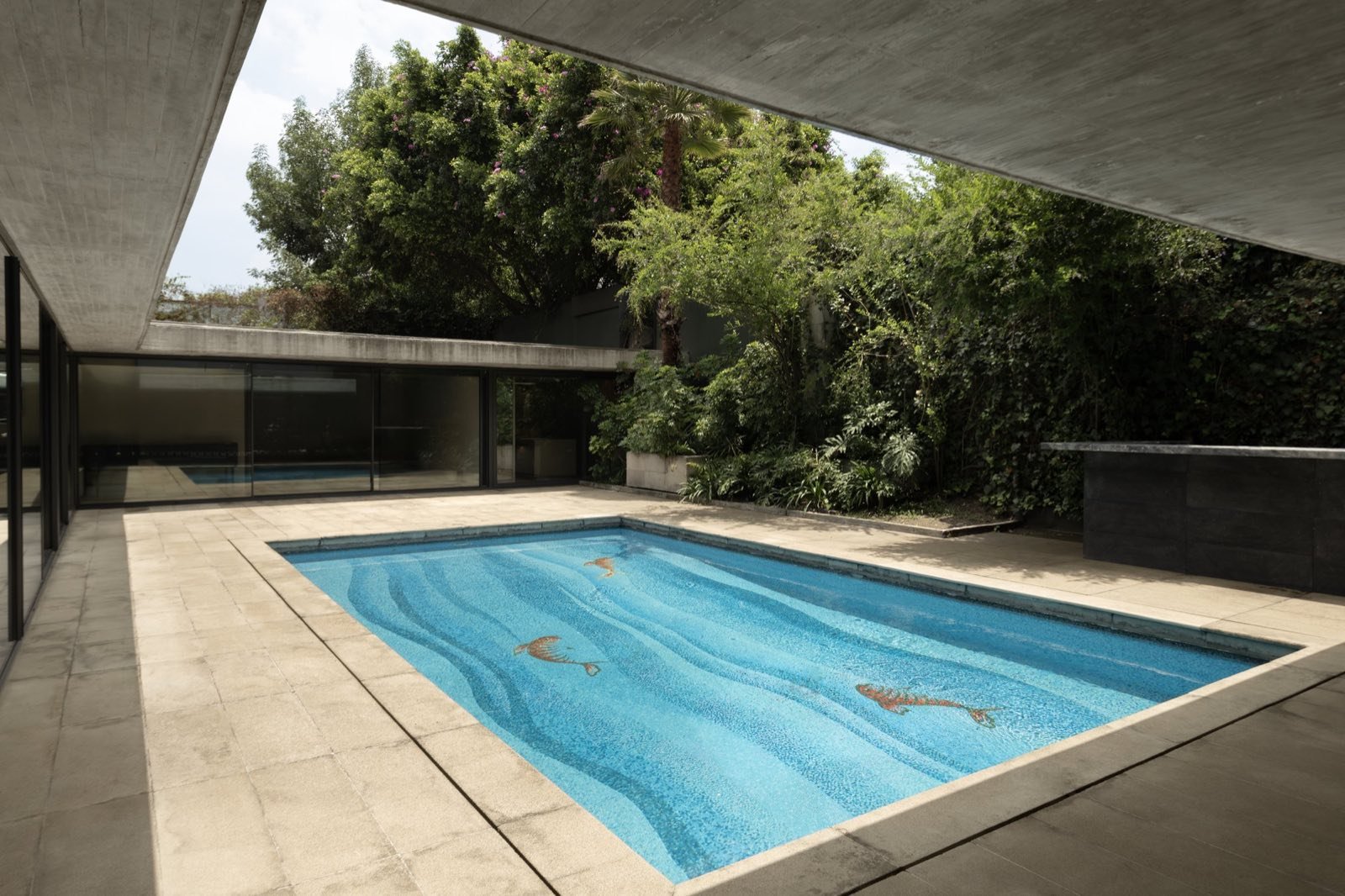
Its inclusion brings an additional dimension to the exhibition: a conversation between the experimental objects of the present and the spatial ideas of an earlier generation.
An Exhibition Shaped by Its City
Mexico City’s creative culture has long had a presence within Alcova’s Milan editions, through both emerging designers and established galleries. Bringing the platform to the Mexican capital extends that relationship beyond the exhibition stand.
It also reflects a broader interest in cultural projects that reactivate existing architecture.
Through its partnership with Proyectos Públicos, a Mexico City organisation working across architecture, hospitality and cultural programming, Alcova will contribute to an evolving dialogue about the reuse of significant buildings and the role they can play in contemporary urban life.
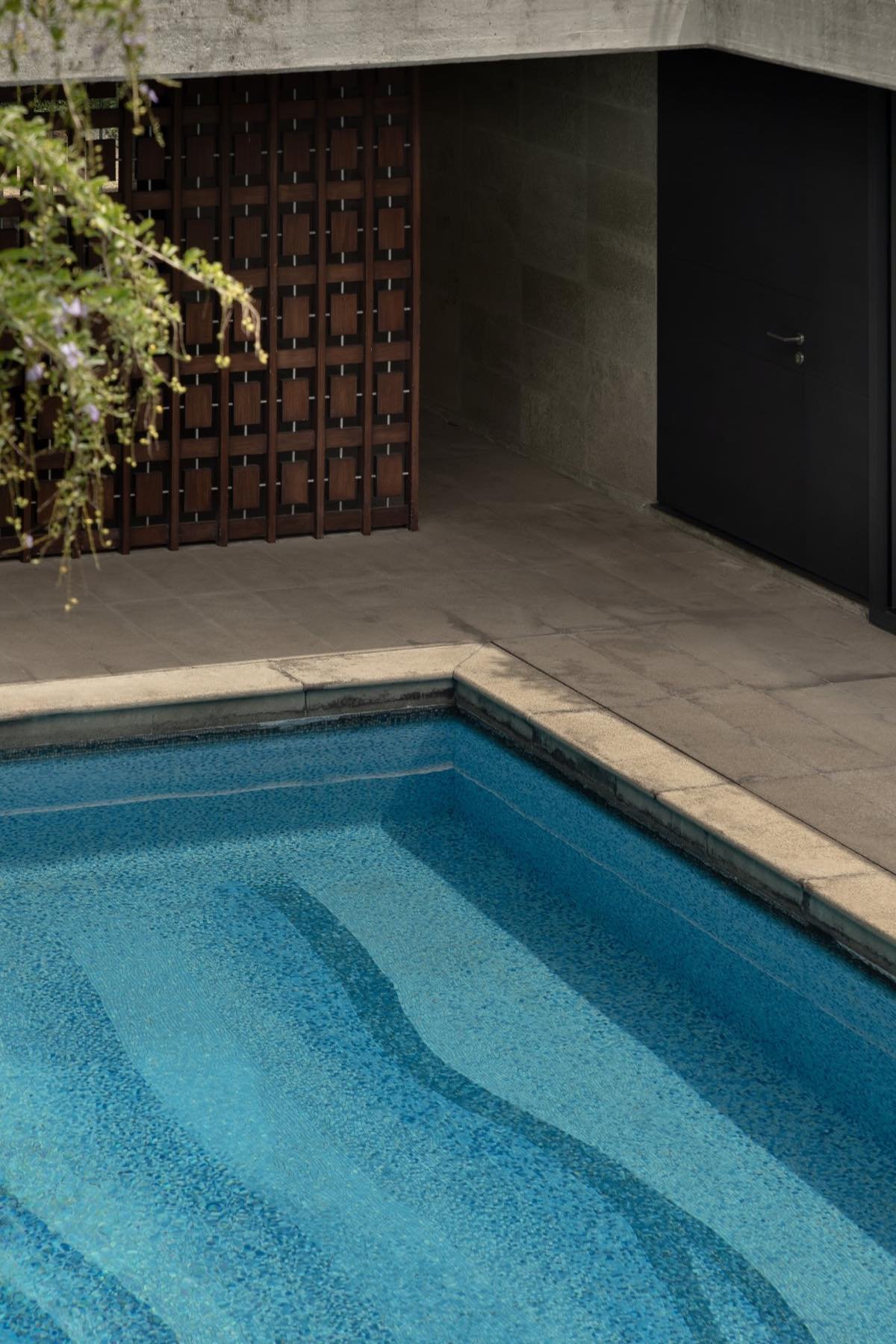
The participating designers and full exhibition programme are still to be announced. Yet the choice of venues already reveals something about the character of the inaugural edition.
The appeal of Alcova has never depended entirely on discovering what is new. It also lies in encountering familiar objects, materials and ideas in unfamiliar circumstances.
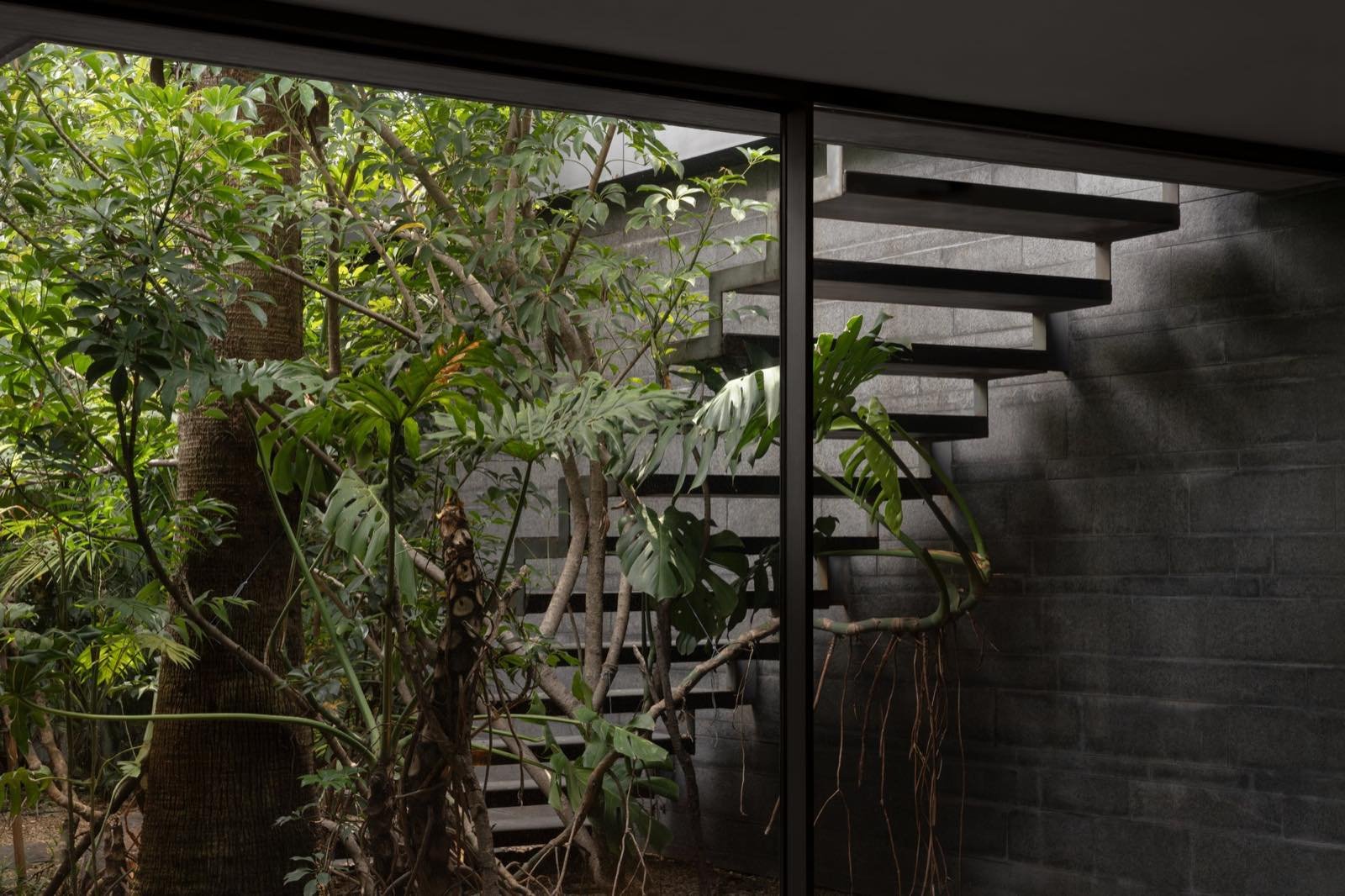
In Mexico City, a former family home, an old school and a restored modernist villa will each offer a different way of seeing contemporary design.
And perhaps that is the most compelling part of the announcement: before the first object arrives, the architecture has already begun telling the story.